Bock beer offers a taste of spring in the Alps
By Mark Tichenor and Bruce Lish
Bavaria is the Mecca of beer. The Czechs and the English might disagree, but the fact is, there are more breweries in this southern German state than in any other country in the world.
Most of these Breweries earn their keep putting out Helles, or Bavarian lager. Many also brew a stronger seasonal beer for the spring months. Various myths and legends have linked the spring beer with the image of a goat. Indeed the very word Bock means “goat” in German.
It turns out that Bock is pretty popular, not only in Germany but around the world. We’re fortunate here in the northeastern US; not only can we readily get our hands on the German stuff, but many regional and microbreweries produce original interpretations of the style right at home.
So without further ado, let’s crack our first bottle, direct from the town of Einbeck, spiritual source of Bock beer. Einbecker Ur-Bock demonstrates all the traditional elements of the Bock profile.
The beer pours a caramel-amber color with a pleasant head that disintegrates to a fine lace on the sides of the glass. You won’t detect much aroma, but expect a whiff of malt.
The sweet flavor of malt dominates, but the hop presence is noticeable enough to round out the finish, so the beer isn’t cloying. Also, as can be expected from Bock, Einbecker has a full, substantial, satisfying body. It’s a fantastic beer for an evening out, but not so good after mowing the lawn on a hot day.
The most annoying thing about Einbecker is the size of the bottle. It clocks in at a measly 11.2 ounces. For a region as Beer-crazy as Catholic Bavaria, that laughable serving is downright Lutheran.
Bock is also brewed in Austria, notably by the Stiegl brewery of Salzburg. Their “Columbus” Bock straddles the line betwixt Maibock and Marzen (Bavarian festival beer…more on this in August). It also hearty mouth feel and a sweeter malt flavor, with even less bitter aftertaste than the Einbecker.
Not to get all wine columnist on you, but the flavor of Stiegl is pleasantly complex, with notes of toffee, hazelnut, and caramel. This is a wonderful dessert beer for people who have a slight sweet tooth, yet still like to drink strong things. It’s also the only Salzburg export that doesn’t have the name “Mozart” tackily slapped all over it.
Our next Bock beer had to travel all the way down the street from the High Falls Brewing Company. JW Dundee’s Pale Bock, coming off a gold medal win at the World Beer Cup (where it competed against the German stuff).
Dundee’s pours a light golden color, indistinguishable in hue from many lagers. There’s the slightest malt aroma, too. The taste is where it differs from the traditional German Bocks. It’s not as malt-heavy, with a dry finish.
This makes Dundee’s Pale Bock a real standout for its versatility. It’s a tasty, malty Bock that will refresh throughout the hottest summer months as well as during the spring. High Falls should keep this one in production for a while.
Next up: Stoudts Double Maibock, from the Stoudt Brewing Company in scenic Adamstown, PA. The name of this beer can be a bit deceiving; it’s as strong as a Doppelbock, but the flavor and visual characteristics of a Mai (May) Bock.
Like Dundee’s, the color is pale golden. It’s only when you taste the beer that you notice a more intense, sweet malt flavor very reminiscent of the German stuff, it’s actually a bit more syrupy; the malt has to camouflage an enormous amount of alcohol for the Maibock style.
As you can see, apart from a few basic style characteristics (sweet Munich/Vienna malt taste, substantial mouth feel, higher alcohol content), the profile for Bock is actually pretty broad, with room for many individual variations. This probably came about thanks to the hundreds of individual Bavarian breweries, each one with their own take on the town’s spring beer.
It’s almost the exact opposite of the trend in brewing today. Many of those small breweries no longer exist, snapped up by large German and international brewing conglomerates. And this is the main reason to appreciate Bock beer; in every malty sip, you get a taste of uncompromising brewing history. Prosit!
Bruce is a certified beer judge and former commercial brewer. Mark owns a laptop and likes beer. For more on beer, check out the beercraft blog, updated regularly, at http://beercraft.blogspot.com. Send your questions, suggestions, or comments to beercraft@rochester.rr.com
Wednesday, May 10, 2006

Tuesday, May 09, 2006
The Upper Monroe Homebrewer's Guild
What a perfect Sunday. I spent it nice and lazy, sitting on the porch with the members of the newly-minted Upper Monroe Homebrewer's Guild: Bruce, Bob, Chris & Patrick.
It was a treat to sample beers from four of the finest homebrewers in Rochester. And believe me, I sampled my ass off. The company was great as well.
It was a treat to sample beers from four of the finest homebrewers in Rochester. And believe me, I sampled my ass off. The company was great as well.
Friday, May 05, 2006
Microbrewery movement growing in Denmark
Whe I visited Copenhagin in 1999, the bars had two taps: Carlsberg and Tuborg.
While the Danes have a great brewing tradition, the fact is they don't have a fantastic beer tradition. However Danish tastes are widening...
While the Danes have a great brewing tradition, the fact is they don't have a fantastic beer tradition. However Danish tastes are widening...
Thursday, May 04, 2006
Thursday's Beer from the Other Side of the World: Asahi
After Dubya Dubya two, Japanese industry wasn't doing so good. Among the smashed and bombed steel refineries and materiel factories were the devastated guts of just about every other industry, including the bering biz.
As the breweries of Japan began their reconstruction process, many American consultant companies, such as Anheuser-Busch, offered assistance. In some cases, the American breweries bought stakes in the fledgling Japanese concerns.
That's why Asahi tastes so much like Budweiser. Rice, rice, and more rice lend it a clean, crisp, disturbingly neutral character, allowing it to go very well with delicate foods like sushi, but preventing the beer from ever being considered particularly good.

As the breweries of Japan began their reconstruction process, many American consultant companies, such as Anheuser-Busch, offered assistance. In some cases, the American breweries bought stakes in the fledgling Japanese concerns.
That's why Asahi tastes so much like Budweiser. Rice, rice, and more rice lend it a clean, crisp, disturbingly neutral character, allowing it to go very well with delicate foods like sushi, but preventing the beer from ever being considered particularly good.
Wednesday, May 03, 2006
More on Lambics from the New York Times
I posted our column on lambics a couple of weeks ago. If you want to read more, there's a good article in the online New York Times.
Tuesday, May 02, 2006
More postings soon
I've been dealing with some pretty heavy personal shit over the past few days. More beer stuff is pending. In the meantime, here is a picture of some Norwegian beer...

Friday, April 28, 2006
Beercraft newspaper column #11: The beers of Mexico
Cerveza por favor, and hold the Mayo
By Mark Tichenor and Bruce Lish
Were it not for all the marketing dollars, Cinco de Mayo would be a non-event in American bars. The producers and importers of Corona, however, have succeeded in transforming this holiday commemorating the May 5, 1862 victory of the Mexicans over the invading French into a boozy mess.
Not that there’s anything wrong with that. All we’re suggesting is, if you’re going to party Mexican-style, you might as well pick up one of several excellent, but less commercially visible, beers from south of the border.
The most recognizable Mexican beer is Corona, loved by spring breakers, loathed by beer geeks everywhere. Indeed, there’s something undeniably uric about Corona’s color which raises questions as to the beer’s production process.
During the eighties, it became something of a “status” beer. The microbrew movement hadn’t yet made its full impact, and image-conscious consumers latched on to everything perceived as boutique. Corona sales skyrocketed in the USA, and it seemed that every yuppie with a sleek suit and Miami Vice pastel tie was hoisting a clear bottle with a lime wedge jammed in the neck.
In fact, Corona is nothing special. It’s brewed with a high percentage of cheap cereal adjuncts, and its flavor is pretty much nonexistent. When you add a lime, the beer tastes like lime. The light taste and lack of almost all possible character makes it easy to drink fast. Fundamentally, it’s a sub-premium product at a super premium price, and even today, Americans buy it by the gigaliter.
Unfortunately, Corona has come to embody our perception of Mexican beer, when in fact, it is an anomaly. Thanks to the aforementioned French invasion, which, in true 19th-century empire-building style, installed an Austrian Hapsburg prince on the throne in Mexico, The country experienced a wave of settlement by Austrians and Germans.
These expatriates longed for the beers of their homeland, so pragmatically, they began brewing them in Mexico, and thus the lineage of many Mexican beers can be traced directly to the Vienna lagers and Helles beers of Austria and Bavaria.
Those styles still exist in Mexico today. Probably the best example of which is Negra Modelo. Dark copper in color, with a malty aroma and a sweet taste that bears as much resemblance to Corona as oranges do to the Crab Nebula, Modelo is a fine brew that maintains the style hallmarks of Vienna lager, while imparting unique flavor elements as well.
Negra Modello is pretty widely available in our region, certainly it can be found at Mex, on Alexander Street, and Selena’s, in Village Gate. We recommend pouring this beer into a glass, because you won’t get the full aroma and color when swilling it out of the bottle. Oh, and just say no to the lime in this one.
Hey, as long as you’re bellying up to the bar in that Mexican-themed entertainment establishment, try a Dos Equis dark. It’s similar to Negra Modelo in formulation, appearance, and overall flavor, but a little less sweet. Still the toasted malt flavor dominates, with very little bitterness in the finish. If you like beer with character, but aren’t crazy about hops, Dos Equis might be a good patio beer for you.
We’d definitely choose a Modelo over this beer, but Dos Equis has the benefit of greater distribution. You shouldn’t have problems finding it in any Mexican place without the word “Bell” in the name.
Slightly more difficult to find is Bohemia, from Monterrey, Mexico. Reminiscent of a southern German lager, it garners rave reviews from American consumers. It has a light flavor, but maintains plenty of character. Bohemia is balanced toward malt rather than hops, although you can pick out a bit of the floral hop aroma.
Finding Bohemia in bars may be a problem, so your best bet might be to call your favorite beer store and see what they can do. Oh, and don’t wreck the taste of this beer with citrus fruit. It’ll just obscure the character of a very good lager.
Probably the best thing that can come of the nightlife industry’s promotion of Cinco de Mayo is an awareness of the pleasant cultural aspects presented by our neighbors from the south. It’s a shame that something as consistently good as Mexican beer doesn’t really get a fair shake in many parts of the US. So let’s all give the lime growers fits and enjoy some REAL Mexican beer. Chances are you’ll find something enjoyable year-round and not just on this co-opted holiday.
By Mark Tichenor and Bruce Lish
Were it not for all the marketing dollars, Cinco de Mayo would be a non-event in American bars. The producers and importers of Corona, however, have succeeded in transforming this holiday commemorating the May 5, 1862 victory of the Mexicans over the invading French into a boozy mess.
Not that there’s anything wrong with that. All we’re suggesting is, if you’re going to party Mexican-style, you might as well pick up one of several excellent, but less commercially visible, beers from south of the border.
The most recognizable Mexican beer is Corona, loved by spring breakers, loathed by beer geeks everywhere. Indeed, there’s something undeniably uric about Corona’s color which raises questions as to the beer’s production process.
During the eighties, it became something of a “status” beer. The microbrew movement hadn’t yet made its full impact, and image-conscious consumers latched on to everything perceived as boutique. Corona sales skyrocketed in the USA, and it seemed that every yuppie with a sleek suit and Miami Vice pastel tie was hoisting a clear bottle with a lime wedge jammed in the neck.
In fact, Corona is nothing special. It’s brewed with a high percentage of cheap cereal adjuncts, and its flavor is pretty much nonexistent. When you add a lime, the beer tastes like lime. The light taste and lack of almost all possible character makes it easy to drink fast. Fundamentally, it’s a sub-premium product at a super premium price, and even today, Americans buy it by the gigaliter.
Unfortunately, Corona has come to embody our perception of Mexican beer, when in fact, it is an anomaly. Thanks to the aforementioned French invasion, which, in true 19th-century empire-building style, installed an Austrian Hapsburg prince on the throne in Mexico, The country experienced a wave of settlement by Austrians and Germans.
These expatriates longed for the beers of their homeland, so pragmatically, they began brewing them in Mexico, and thus the lineage of many Mexican beers can be traced directly to the Vienna lagers and Helles beers of Austria and Bavaria.
Those styles still exist in Mexico today. Probably the best example of which is Negra Modelo. Dark copper in color, with a malty aroma and a sweet taste that bears as much resemblance to Corona as oranges do to the Crab Nebula, Modelo is a fine brew that maintains the style hallmarks of Vienna lager, while imparting unique flavor elements as well.
Negra Modello is pretty widely available in our region, certainly it can be found at Mex, on Alexander Street, and Selena’s, in Village Gate. We recommend pouring this beer into a glass, because you won’t get the full aroma and color when swilling it out of the bottle. Oh, and just say no to the lime in this one.
Hey, as long as you’re bellying up to the bar in that Mexican-themed entertainment establishment, try a Dos Equis dark. It’s similar to Negra Modelo in formulation, appearance, and overall flavor, but a little less sweet. Still the toasted malt flavor dominates, with very little bitterness in the finish. If you like beer with character, but aren’t crazy about hops, Dos Equis might be a good patio beer for you.
We’d definitely choose a Modelo over this beer, but Dos Equis has the benefit of greater distribution. You shouldn’t have problems finding it in any Mexican place without the word “Bell” in the name.
Slightly more difficult to find is Bohemia, from Monterrey, Mexico. Reminiscent of a southern German lager, it garners rave reviews from American consumers. It has a light flavor, but maintains plenty of character. Bohemia is balanced toward malt rather than hops, although you can pick out a bit of the floral hop aroma.
Finding Bohemia in bars may be a problem, so your best bet might be to call your favorite beer store and see what they can do. Oh, and don’t wreck the taste of this beer with citrus fruit. It’ll just obscure the character of a very good lager.
Probably the best thing that can come of the nightlife industry’s promotion of Cinco de Mayo is an awareness of the pleasant cultural aspects presented by our neighbors from the south. It’s a shame that something as consistently good as Mexican beer doesn’t really get a fair shake in many parts of the US. So let’s all give the lime growers fits and enjoy some REAL Mexican beer. Chances are you’ll find something enjoyable year-round and not just on this co-opted holiday.
Thursday, April 27, 2006
Return of the message board
I've decided to resurrect the old message board from my old project. The link is on the sidebar. Join up and let's talk about beer!
I'm planning a reskin for both the board and the blog. It's, like, number #86 on my dance card.
-Mark
I'm planning a reskin for both the board and the blog. It's, like, number #86 on my dance card.
-Mark
Which came first, the bottle or the beer?
I used to be a huge fan of American microbreweries. Had you talked to me in 1998, I would have told you that, contrary to popular belief, America is a great brewing nation. Hell, New York State alone had dozens of fine micros.
I still pretty much feel that way, but my enthusiasm is lessened by what I see as a pervasive emphasis on marketing over quality on the microbrew scene. I'm kinda sick of cutesy beer names. I'm tired of overdone bottle art. And I'm annoyed that breweries' often scant operating dollars are going to this aspect of the business rather than into creating the best possible beers.
Have you ever bought a science fiction novel because of the cool cover art, only to find a hackneyed, overdone formulaic story? That's my take on disassociative marketing- the kind of marketing that emphasizes image over the quality of the product.
Plus, at the beer store, everybody's beautiful, pramary-colored bottle art and everybody's "Old Defribulator" and "Angus McFuckstick's Ale" all blends together into a sea of gobbledygook that tells the potential consumer nothing about the beer.
I know packaging is important, but i wish it wasn't always so over the top. No if you'll excuse me, I'm off to have a beer that gets it right, Southern Tier IPA.
I still pretty much feel that way, but my enthusiasm is lessened by what I see as a pervasive emphasis on marketing over quality on the microbrew scene. I'm kinda sick of cutesy beer names. I'm tired of overdone bottle art. And I'm annoyed that breweries' often scant operating dollars are going to this aspect of the business rather than into creating the best possible beers.
Have you ever bought a science fiction novel because of the cool cover art, only to find a hackneyed, overdone formulaic story? That's my take on disassociative marketing- the kind of marketing that emphasizes image over the quality of the product.
Plus, at the beer store, everybody's beautiful, pramary-colored bottle art and everybody's "Old Defribulator" and "Angus McFuckstick's Ale" all blends together into a sea of gobbledygook that tells the potential consumer nothing about the beer.
I know packaging is important, but i wish it wasn't always so over the top. No if you'll excuse me, I'm off to have a beer that gets it right, Southern Tier IPA.
Monday, April 24, 2006
Review: Rohrbach Brewing Company Bluebeary Ale
We're at the bar. It's been a while since we tried a Rohrbach Brewing Company beer, so we trucked out the good ol' Bluebeary ale.
Positives: The blueberry flavor is in the background, where it belongs. As is appropriate for a fruit ale, you get the nose and essence of the beer instead of the syrupy sweetness.
Negatives: Hops, Hops, HOPS. Excessive bitterness in the finish clashes with and overwhelms the fruit.
Overall it's not too bad, probably on par with the fruit beers offered by most micros.
An easing up of the hop bitterness would make a huge difference in our overall impression of this beer.
Positives: The blueberry flavor is in the background, where it belongs. As is appropriate for a fruit ale, you get the nose and essence of the beer instead of the syrupy sweetness.
Negatives: Hops, Hops, HOPS. Excessive bitterness in the finish clashes with and overwhelms the fruit.
Overall it's not too bad, probably on par with the fruit beers offered by most micros.
An easing up of the hop bitterness would make a huge difference in our overall impression of this beer.
Things looking up at McGregor's
As I mentioned in a previous post, the house beers at MacGregor's Grill and Tap Room in Rochester are now being brewed by the Southern Tier Brewing Company. I harshed their Cherry Wheat beer and their pale ale. THey were both very diasappointing.
However, the MacGregor's Milk Stout is lovely. Also brewed by the Southern Tier guys, it's complex, with a nice vanilla undertone. A very drinkable example of a style we don't see here very often. It's also a deal at the house special price. If you live in town, it's worth a stop.
Also, congratulations are in order to the High Falls Brewery and Brewmaster Dave Schlosser. Their J.W. Dundee's Pale Bock won the gold medal in the Bock category in this year's World Beer Cup. Quite a feat, considering that the intrepid team from Rochester was up against some heavyweight German competition. Cheers, guys!
-Mark
However, the MacGregor's Milk Stout is lovely. Also brewed by the Southern Tier guys, it's complex, with a nice vanilla undertone. A very drinkable example of a style we don't see here very often. It's also a deal at the house special price. If you live in town, it's worth a stop.
Also, congratulations are in order to the High Falls Brewery and Brewmaster Dave Schlosser. Their J.W. Dundee's Pale Bock won the gold medal in the Bock category in this year's World Beer Cup. Quite a feat, considering that the intrepid team from Rochester was up against some heavyweight German competition. Cheers, guys!
-Mark
Thursday, April 20, 2006
Thursday's cool beer from the other side of the world
Today it's Singha from Thailand.
I disagree with the consensus of the Beeradvocate.com reviews. It's not the best beer, but it's cold,refreshing,and has distinctive character. Plus, it goes great with Thai food.

I disagree with the consensus of the Beeradvocate.com reviews. It's not the best beer, but it's cold,refreshing,and has distinctive character. Plus, it goes great with Thai food.
Tuesday, April 18, 2006
Beercraft newspaper column #10: Lambics
From Belgium with love: Lambics
Can beer be romantic?
Think about it. If you’re trying to impress a girl on a date, you go right for the wine. But (yawn) so does everybody else. If you really want to slay her, try ordering a goblet of Framboise, a Belgian Lambic beer aged with raspberries. Chances are she’s never tasted anything quite like it.
Fruit Lambics come flavored with Cherry (Kriek), Raspberry (Framboise), and more recently peach (Peche) and blackcurrant (Cassis). You can also get unflavored Gueuze, tongue-mangling in both name and flavor. They’re hard to find in bars, but readily available at specialty beer stores.
Straight Lambic is an extremely dry, sour, cidery brew which originates from the region around the town of Lembeek (which is near Brussels, but so’s everything else in Belgium). It’s only served in a few cafes in the capital and around the region.
Despite the efforts of breweries on this side of the pond, the flavor of Lambic is irreproducible, due to the key role that geography plays in the beer’s fermentation process.
After the Lambic wort is boiled, the unique yeast native to that small Belgian region is introduced through a method that would make strait-laced German brewers cringe. The liquid is left out in the open air, so the airborne yeast, along with other assorted microorganisms, can settle in naturally.
Afterward, the wort is transferred into old wooden barrels, creating the only possible environment for Lambic. When done, and after a couple of years’ maturation, the beer tastes light, tart and acidic. Its mouth feel is comparable to champagne. If the batch is to be a fruit Lambic, the appropriate produce (or fruit syrup for the more bottom-line oriented producers) is added into the barrel.
The resulting beer is an intricate blend of Lambic’s tart vibrancy and the color, aroma, and sweetness of fruit. A good Kriek, such as Lindemann’s, pours a deep ruby red, with a persistent light pink head. Predictably, it smells like cherries, the sweet flavor of which is mellowed by the acidity of the beer. It’s not cloying, yet just intense enough to make a great dessert beer. It’s fantastic with dark chocolate.
Framboise and Kriek are the two traditional, old-school fruit Lambic types. The other flavors are the creation of marketing personnel and, while not bad, just lack that aura of authenticity. They’re made with cheaper fruit syrups instead of the raspberries and sour cherries straight from the Belgian fields.
Although Lindemann's is the most widely imported brand, and the only one you’ll probably ever find on draft in the USA, several other producers export to this area. They’re all small operations, and the flavors can vary greatly in tartness, sweetness and intensity.
Now granted, this isn’t manly bachelor party brew. You’re not going to see rappers swigging it on MTV, and rarely will some dude roll up on his Harley for a couple of Peches. Most beer geeks view Lambic as an occasional indulgence at best and it finds favor with a primarily female audience. However, it can be an excellent choice for celebration and an expression of creativity as a party gift. Mark even serves Kriek instead of champagne on New Year’s Eve.
And, for drinkers of sweeter cocktails, the beautiful, richly-colored Framboise is a great introduction to the world of beer. There’s no hop taste to get used to (hops are present, but only as a preservative, aged beyond the point where their flavor is evident), and the fruity essence is welcoming and refreshing. That, and their visual appeal, makes elegantly-served Lambic absolutely unique among beers.
So next time you’re out on that big date, swing by a bar that serves Lambic (Monty’s Korner and The Old Toad frequently carry it), or pick up a bottle at Beers of the World. If you’re back at your place, serve it in champagne flutes. Then watch her eyes go wide.
And remember to send us a thank-you card.
Bruce is a certified beer judge and former commercial brewer. Mark owns a laptop and likes beer. For more on beer, check out the beercraft blog, updated regularly, at http://beercraft.blogspot.com. Send your questions, suggestions, or comments to beercraft@rochester.rr.com
Can beer be romantic?
Think about it. If you’re trying to impress a girl on a date, you go right for the wine. But (yawn) so does everybody else. If you really want to slay her, try ordering a goblet of Framboise, a Belgian Lambic beer aged with raspberries. Chances are she’s never tasted anything quite like it.
Fruit Lambics come flavored with Cherry (Kriek), Raspberry (Framboise), and more recently peach (Peche) and blackcurrant (Cassis). You can also get unflavored Gueuze, tongue-mangling in both name and flavor. They’re hard to find in bars, but readily available at specialty beer stores.
Straight Lambic is an extremely dry, sour, cidery brew which originates from the region around the town of Lembeek (which is near Brussels, but so’s everything else in Belgium). It’s only served in a few cafes in the capital and around the region.
Despite the efforts of breweries on this side of the pond, the flavor of Lambic is irreproducible, due to the key role that geography plays in the beer’s fermentation process.
After the Lambic wort is boiled, the unique yeast native to that small Belgian region is introduced through a method that would make strait-laced German brewers cringe. The liquid is left out in the open air, so the airborne yeast, along with other assorted microorganisms, can settle in naturally.
Afterward, the wort is transferred into old wooden barrels, creating the only possible environment for Lambic. When done, and after a couple of years’ maturation, the beer tastes light, tart and acidic. Its mouth feel is comparable to champagne. If the batch is to be a fruit Lambic, the appropriate produce (or fruit syrup for the more bottom-line oriented producers) is added into the barrel.
The resulting beer is an intricate blend of Lambic’s tart vibrancy and the color, aroma, and sweetness of fruit. A good Kriek, such as Lindemann’s, pours a deep ruby red, with a persistent light pink head. Predictably, it smells like cherries, the sweet flavor of which is mellowed by the acidity of the beer. It’s not cloying, yet just intense enough to make a great dessert beer. It’s fantastic with dark chocolate.
Framboise and Kriek are the two traditional, old-school fruit Lambic types. The other flavors are the creation of marketing personnel and, while not bad, just lack that aura of authenticity. They’re made with cheaper fruit syrups instead of the raspberries and sour cherries straight from the Belgian fields.
Although Lindemann's is the most widely imported brand, and the only one you’ll probably ever find on draft in the USA, several other producers export to this area. They’re all small operations, and the flavors can vary greatly in tartness, sweetness and intensity.
Now granted, this isn’t manly bachelor party brew. You’re not going to see rappers swigging it on MTV, and rarely will some dude roll up on his Harley for a couple of Peches. Most beer geeks view Lambic as an occasional indulgence at best and it finds favor with a primarily female audience. However, it can be an excellent choice for celebration and an expression of creativity as a party gift. Mark even serves Kriek instead of champagne on New Year’s Eve.
And, for drinkers of sweeter cocktails, the beautiful, richly-colored Framboise is a great introduction to the world of beer. There’s no hop taste to get used to (hops are present, but only as a preservative, aged beyond the point where their flavor is evident), and the fruity essence is welcoming and refreshing. That, and their visual appeal, makes elegantly-served Lambic absolutely unique among beers.
So next time you’re out on that big date, swing by a bar that serves Lambic (Monty’s Korner and The Old Toad frequently carry it), or pick up a bottle at Beers of the World. If you’re back at your place, serve it in champagne flutes. Then watch her eyes go wide.
And remember to send us a thank-you card.
Bruce is a certified beer judge and former commercial brewer. Mark owns a laptop and likes beer. For more on beer, check out the beercraft blog, updated regularly, at http://beercraft.blogspot.com. Send your questions, suggestions, or comments to beercraft@rochester.rr.com
Monday, April 17, 2006
Steam Whistle Brewing = excellent pilsner
It was a cloudy day, but that worked in my favor. The line for the CN Tower was mercifully short. It was my friend Brendan's first time in the tower, so the world's tallest tourist trap was a must-see.
At the bottom of the tower observatory, there's a section of vertigo-inducing glass floor. You can walk out onto the clear surface and gaze a thousand feet or so straight down. When you do this, you see an old railroad roundhouse. Even from this height, I could make out the trainyard building's silver sign: Steam Whistle Brewing Company.
< >
>
I'd heard of this roundhouse converted into a brewery, but filed the information away in the back of my brain somewhere. However, due to the proximity, a trip over was in order, and boy am I glad we went.
Steam Whistle's business model shatters the microbrewery mold. They don't serve food. They're not even a bar, just a sampling counter (where the samples are free) and a retail shop, with a titanic brewing and grain storage system visible through the back windows. And get this: they only make one beer.
Steam Whistle Pilsner carries the motto "Do one thing very, very well." It is the best Pilsener I've tasted from a North American brewer.

The color nails it: golden hued, a little darker than Pilsner Urquell. Present is the soapy, strong head and pleasant aroma. And the taste? A slight malt sweetness that leads into a textbook saaz hop bitterness.
Seriously, I could A/B Steam Whistle next to a dozen European Pilsners and it would fit right in the middle. Not as good as Urquell or Dinkel-Acker CD Pils, but better than Staropramen, Budvar, and a bunch of the German stuff.
Unfortunately for me, I don't think I can get it here, but the brewery distributes in big trucks throughout Ontario and Alberta. Hopefully I'll find some on this side of the border. If that happens, Steam Whistle has a customer for life.
-Mark
At the bottom of the tower observatory, there's a section of vertigo-inducing glass floor. You can walk out onto the clear surface and gaze a thousand feet or so straight down. When you do this, you see an old railroad roundhouse. Even from this height, I could make out the trainyard building's silver sign: Steam Whistle Brewing Company.
<
>I'd heard of this roundhouse converted into a brewery, but filed the information away in the back of my brain somewhere. However, due to the proximity, a trip over was in order, and boy am I glad we went.
Steam Whistle's business model shatters the microbrewery mold. They don't serve food. They're not even a bar, just a sampling counter (where the samples are free) and a retail shop, with a titanic brewing and grain storage system visible through the back windows. And get this: they only make one beer.
Steam Whistle Pilsner carries the motto "Do one thing very, very well." It is the best Pilsener I've tasted from a North American brewer.
The color nails it: golden hued, a little darker than Pilsner Urquell. Present is the soapy, strong head and pleasant aroma. And the taste? A slight malt sweetness that leads into a textbook saaz hop bitterness.
Seriously, I could A/B Steam Whistle next to a dozen European Pilsners and it would fit right in the middle. Not as good as Urquell or Dinkel-Acker CD Pils, but better than Staropramen, Budvar, and a bunch of the German stuff.
Unfortunately for me, I don't think I can get it here, but the brewery distributes in big trucks throughout Ontario and Alberta. Hopefully I'll find some on this side of the border. If that happens, Steam Whistle has a customer for life.
-Mark
Sunday, April 16, 2006
Oh, the Germanity!
Here's a quick CNN article tht helps illustrate why Germany is the best place in the world for beer.
Saturday, April 15, 2006
Beer tasting cancelled.
Well, looks like the Victory guy had to cancel the tasting at the Krown. My apologies to the folks that showed up...hope you enjoyed the beer anyway. Hopefully the event will be rescheduled.
I just got back from Toronto, where I had the best North American Pilsener I've ever tasted... more to come tomorrow.
-Mark
I just got back from Toronto, where I had the best North American Pilsener I've ever tasted... more to come tomorrow.
-Mark
Thursday, April 13, 2006
Interesting Guinness article
The guys from Beer Advocate recently had a chance to sit down with the Brewmaster of Guinness' Dublin brewery. The resulting article is pretty interesting.
I actually had a couple Guinness Extra Stouts last night. The Extra, brewed in New Brunswick, Canada, is not nitrogen-carbonated, and has a bit more "bite" than the traditional draught. Sometimes, it's a nice change.
I actually had a couple Guinness Extra Stouts last night. The Extra, brewed in New Brunswick, Canada, is not nitrogen-carbonated, and has a bit more "bite" than the traditional draught. Sometimes, it's a nice change.
Wednesday, April 12, 2006
I need ideas.
We've spanned the beer gamut and back again, yet I know there's so much to beer and its place in culture that, theoretically, I could never write on the same subject twice. I mean, look at Michael Jackson.

He's made a whole international career out of beer writing (and probably has gotten some erroneous offers to headline pop shows). I'm no Michael Jackson, but I want to continue finding new joy in the world's best beverage.
So I'm asking readers (not you, Mike Cialini) for a leg up. What would you like to see Bruce and myself writing about, both in the column and in the blog? Let's all share the joy of beer together, thanks to the magic of the internet.
-Mark
He's made a whole international career out of beer writing (and probably has gotten some erroneous offers to headline pop shows). I'm no Michael Jackson, but I want to continue finding new joy in the world's best beverage.
So I'm asking readers (not you, Mike Cialini) for a leg up. What would you like to see Bruce and myself writing about, both in the column and in the blog? Let's all share the joy of beer together, thanks to the magic of the internet.
-Mark
Tax day special at Monty's Krown
A representative of the Victory Brewing Company will hold a beer tasting at Monty's Krown (Rochester, NY) on Saturday, April 15. We all know and love their Hop Devil IPA, but here's your chance to sample their entire range of beery goodness. Hope to see you there.
-Mark
-Mark
Thursday, April 06, 2006
Beercraft on the road again
Bruce and his brewing partner, Bob, are driving to Boston for a marathon beer tour as we speak. They'll be visiting brewpubs in Troy, NY and Vermont, as well as whatever interesting spots they can find in the Hub. Details to follow.
Wednesday, April 05, 2006
The true taste of spring, representing Deutschland. Jaaaa...
Spring is in the air, so it'll soon be the season for drinking Hefe-Weizen. Not that being out of season has ever prevented me from throwing back a few wheat beers. Anyway, time to reiterate the Weizen pecking order.
Paulaner Hefe-Weizen remains the archetype of the style, the best in the world. The deep orange color and complex, unequalled flavor set it head (sic) and shoulders above all others.
Ayinger is also excellent, brewed at a smaller brewery and available in bottles here. Deep and complex, it's a little more bland than Paulaner, but still sublime.
Franziskaner is the most widely available. You'll find this on draft a lot in blue states. It's very good, but lacks Paulaner's depth of color and presence.
Tucher is from Nuremburg, well outside of traditional Hefe-Weizen country. It's probably the least enjoyable of all the German Hefes, but the brewery gets some slack because they brew Bajuvator, my favorite doppelbock.
American hefes are usually terrible. Either the water is wrong, or the brewer doesn't do the complex decoction mash correctly. They usually have kind of a swampy flavor that would make a German engineer cry. One exception, according to Bruce, is Pyramid Hefe-Weizen from California.
Paulaner Hefe-Weizen remains the archetype of the style, the best in the world. The deep orange color and complex, unequalled flavor set it head (sic) and shoulders above all others.
Ayinger is also excellent, brewed at a smaller brewery and available in bottles here. Deep and complex, it's a little more bland than Paulaner, but still sublime.
Franziskaner is the most widely available. You'll find this on draft a lot in blue states. It's very good, but lacks Paulaner's depth of color and presence.
Tucher is from Nuremburg, well outside of traditional Hefe-Weizen country. It's probably the least enjoyable of all the German Hefes, but the brewery gets some slack because they brew Bajuvator, my favorite doppelbock.
American hefes are usually terrible. Either the water is wrong, or the brewer doesn't do the complex decoction mash correctly. They usually have kind of a swampy flavor that would make a German engineer cry. One exception, according to Bruce, is Pyramid Hefe-Weizen from California.
Monday, April 03, 2006
Steam beers
Someone sent us a good topic idea.
Steam beer is weird, kind of half lager, half ale. It uses bottom-fermenting yeast, like a lager, but it is fermented at higher temperatures, like an ale. Consequently, the beer has characteristics of both.
According to legend the style originated in California during the 19th century. Brewers attempted to make lager, but, lacking refrigeration, they had to...settle for this. Personally, I think the whole thing was made up by the Anchor Brewery, holders of the trademark for the term "steam beer" (The non-trademarked style name is "California common beer") But what do I know?
I never found steam beer particularly distinctive, so my reccommendation would be to go for a good lager or ale instead. But definitely give it a try, if only to get a taste of a peculiar niche in brewing history.
-Mark
Steam beer is weird, kind of half lager, half ale. It uses bottom-fermenting yeast, like a lager, but it is fermented at higher temperatures, like an ale. Consequently, the beer has characteristics of both.
According to legend the style originated in California during the 19th century. Brewers attempted to make lager, but, lacking refrigeration, they had to...settle for this. Personally, I think the whole thing was made up by the Anchor Brewery, holders of the trademark for the term "steam beer" (The non-trademarked style name is "California common beer") But what do I know?
I never found steam beer particularly distinctive, so my reccommendation would be to go for a good lager or ale instead. But definitely give it a try, if only to get a taste of a peculiar niche in brewing history.
-Mark
Friday, March 31, 2006
A hidden Gem from belgium
Old Toad bar manager Joe McBane has done it again, He's serving bottled Grimbergen, a blonde abbey ale from Belgium. It's a pretty good example, and at 6.2% abv it has some heft to it.
Here's the best part. It's on special at $2.75 a bottle. That is an absolute steal. I'm heading back up there tonight; I doubt they'll last long.
Here's the best part. It's on special at $2.75 a bottle. That is an absolute steal. I'm heading back up there tonight; I doubt they'll last long.
Thursday, March 30, 2006
Southern Tier brewing house beers
Yesterday, we went down to MacGregor's Grill and Tap Room here in Rochester, where we were informed that the Southern Tier Brewing Company was taking over the bar's house-branded beers (previously supplied by the Ithaca Brewing Company). We sampled a Cherry Wheat and I think a pale ale.
Maybe there's another brewery that goes by the Southern Tier moniker, because to say that these beers didn't meet the standard of excellence to which we're accustomed from ST woud be an understatement.
The Cherry Wheat was ok in essence, and the beer didn't overcherrify, but there was far too much hop presence for a fruit beer, leaving a nasty, strangly aftertaste. The ale was thin, devoid of aroma, and just plain bad.
In fairness, we had been drinking a pitcher of hoppy Ithaca Cascazilla, so our taste buds could have been confused, but Southern Tier has a long way to go in order to get these beers anywhere close to the fine stuff they produce under their own name.
Maybe there's another brewery that goes by the Southern Tier moniker, because to say that these beers didn't meet the standard of excellence to which we're accustomed from ST woud be an understatement.
The Cherry Wheat was ok in essence, and the beer didn't overcherrify, but there was far too much hop presence for a fruit beer, leaving a nasty, strangly aftertaste. The ale was thin, devoid of aroma, and just plain bad.
In fairness, we had been drinking a pitcher of hoppy Ithaca Cascazilla, so our taste buds could have been confused, but Southern Tier has a long way to go in order to get these beers anywhere close to the fine stuff they produce under their own name.
Wednesday, March 29, 2006
Beercraft newspaper column #8- Super hoppy beers
Lets all be bitter with superhopped beers
By Mark Tichenor and Bruce Lish
Along with malt, yeast and water, hops are an essential ingredient in all beers. When added to fermenting wort, they suppress the growth of microorganisms that would compete with the yeast. Of course they also contribute much to a beer’s flavor and aroma, their bitterness counterbalancing the sweetness of the malt.
It’s the “hoppier” beers that have really taken off in the American craft beer scene. Breweries across the nation have built loyal clientele on the strength of floral, pleasantly bitter pale ales and IPAs, which are substantially more acerbic than, say, brown ales and most lagers.
Just for the record, bitter in this sense is a good thing. It’s not like taking a spoonful of castor oil. Think of it as a fresh, almost citrus sensation that may take some getting used to but figures prominently in the flavor profiles of most good beers.
Put it this way, if it’s not there, you’ll miss it.
For dedicated hopheads, however, that’s still not enough. A large proportion of beer people (sometimes even us) love having their tonsils blasted out the backs of their heads with vine-grown bitterness, and breweries are responding accordingly. Each of the following beers kick you in the throat with more bitterness than a Dubai port manager.
With all beers, the challenge is to maintain a balance of flavor. When you’re blending five different hops and dry-hopping the beer, that challenge becomes pretty daunting. The River Horse Brewing Company’s Hop Hazard, however, retains its balance while still maintaining all the bitterness of a grounded teenager.
The beer pours amber, several shades lighter than copper, without a lot of foam. It has that fresh-meadow smell, but there’s still some malt in the aroma.
The first thing you taste is the malt, but as the beer washes over the back of your tongue the hops are unmistakable; a pleasant, not astringent, bitterness several magnitudes greater than the average IPA. When done right, the bitter flavors should invite the drinker to take another sip. Judging by the empty six-packs lying around Mark’s computer, Hop Hazard gets it correct.
A big beer in alcohol content as well as hops, Victory Hop Wallop is a darling of the craft beer community. It’s brewed by the consistently excellent Victory Brewing Company in Downingtown, Pennsylvania, and it’s bitter like Pete Best at a Beatles convention.
For an IPA, Hop Wallop is a very pretty beer. It’s much lighter-colored than expected, more like a golden lager, with an appealing snow-white head. The aroma and flavor, however, are all hops, and yeah, the name is right on. It’s certainly balanced away from malt, but that just makes Hop Wallop a hophead’s ambrosia.
The Dogfish Head brewery of New Hampshire has always made maverick beers, and 90 Minute IPA is no exception. Weighing in at 9% alcohol by volume, it’s as potent as a doppelbock, and it needs that strength to carry the extreme hoppiness imparted by boiling the flowers in the brew kettle for a full 90 minutes.
Technically, 90 Minute is a Double IPA, and the greater malt presence necessary to generate that kind of strength makes this beer surprisingly balanced. Still, the label says it all. You’re getting a hop explosion in this beer that’s bitterer than a Freetime reader coming across yet another crummy metaphor.
Dogfish Head also makes a 75- and 60- minute IPA which tones down on the hop-heaviness. All three of these are fantastic beers in their own right.
In Other Beers:
Tax day is one of the better occasions on which to drink a bunch of beer. Happily, Monty’s Krown in Rochester will be hosting the Victory Beer Festival on April 15th. A representative from the Victory Brewing Company will host a tasting of their excellent range of beers, hopefully including the aforementioned Hop Wallop, as well as some that are only available at their brewery.
The Rohrbach Brewing Company will be hosting a beer and food pairing featuring the beers of Germany on April 18th at their Buffalo Road restaurant. Expect Rohrbach lagers, as well as a range of authentic German beers. Call the brewery for reservations.
Bruce is a certified beer judge and former commercial brewer. Mark owns a laptop and likes beer. For more on beer, check out the beercraft blog, updated regularly, at http://beercraft.blogspot.com. Send your questions, suggestions, or comments to beercraft@rochester.rr.com
By Mark Tichenor and Bruce Lish
Along with malt, yeast and water, hops are an essential ingredient in all beers. When added to fermenting wort, they suppress the growth of microorganisms that would compete with the yeast. Of course they also contribute much to a beer’s flavor and aroma, their bitterness counterbalancing the sweetness of the malt.
It’s the “hoppier” beers that have really taken off in the American craft beer scene. Breweries across the nation have built loyal clientele on the strength of floral, pleasantly bitter pale ales and IPAs, which are substantially more acerbic than, say, brown ales and most lagers.
Just for the record, bitter in this sense is a good thing. It’s not like taking a spoonful of castor oil. Think of it as a fresh, almost citrus sensation that may take some getting used to but figures prominently in the flavor profiles of most good beers.
Put it this way, if it’s not there, you’ll miss it.
For dedicated hopheads, however, that’s still not enough. A large proportion of beer people (sometimes even us) love having their tonsils blasted out the backs of their heads with vine-grown bitterness, and breweries are responding accordingly. Each of the following beers kick you in the throat with more bitterness than a Dubai port manager.
With all beers, the challenge is to maintain a balance of flavor. When you’re blending five different hops and dry-hopping the beer, that challenge becomes pretty daunting. The River Horse Brewing Company’s Hop Hazard, however, retains its balance while still maintaining all the bitterness of a grounded teenager.
The beer pours amber, several shades lighter than copper, without a lot of foam. It has that fresh-meadow smell, but there’s still some malt in the aroma.
The first thing you taste is the malt, but as the beer washes over the back of your tongue the hops are unmistakable; a pleasant, not astringent, bitterness several magnitudes greater than the average IPA. When done right, the bitter flavors should invite the drinker to take another sip. Judging by the empty six-packs lying around Mark’s computer, Hop Hazard gets it correct.
A big beer in alcohol content as well as hops, Victory Hop Wallop is a darling of the craft beer community. It’s brewed by the consistently excellent Victory Brewing Company in Downingtown, Pennsylvania, and it’s bitter like Pete Best at a Beatles convention.
For an IPA, Hop Wallop is a very pretty beer. It’s much lighter-colored than expected, more like a golden lager, with an appealing snow-white head. The aroma and flavor, however, are all hops, and yeah, the name is right on. It’s certainly balanced away from malt, but that just makes Hop Wallop a hophead’s ambrosia.
The Dogfish Head brewery of New Hampshire has always made maverick beers, and 90 Minute IPA is no exception. Weighing in at 9% alcohol by volume, it’s as potent as a doppelbock, and it needs that strength to carry the extreme hoppiness imparted by boiling the flowers in the brew kettle for a full 90 minutes.
Technically, 90 Minute is a Double IPA, and the greater malt presence necessary to generate that kind of strength makes this beer surprisingly balanced. Still, the label says it all. You’re getting a hop explosion in this beer that’s bitterer than a Freetime reader coming across yet another crummy metaphor.
Dogfish Head also makes a 75- and 60- minute IPA which tones down on the hop-heaviness. All three of these are fantastic beers in their own right.
In Other Beers:
Tax day is one of the better occasions on which to drink a bunch of beer. Happily, Monty’s Krown in Rochester will be hosting the Victory Beer Festival on April 15th. A representative from the Victory Brewing Company will host a tasting of their excellent range of beers, hopefully including the aforementioned Hop Wallop, as well as some that are only available at their brewery.
The Rohrbach Brewing Company will be hosting a beer and food pairing featuring the beers of Germany on April 18th at their Buffalo Road restaurant. Expect Rohrbach lagers, as well as a range of authentic German beers. Call the brewery for reservations.
Bruce is a certified beer judge and former commercial brewer. Mark owns a laptop and likes beer. For more on beer, check out the beercraft blog, updated regularly, at http://beercraft.blogspot.com. Send your questions, suggestions, or comments to beercraft@rochester.rr.com
Tuesday, March 28, 2006
Decisions, Decisions...
Going to the pub tonight, what to choose?
My favorite bar actually had German Rauchbier on draft last weekend. It's hickory-smoked beer from the town of Bamberg. I love it. Most of my fiends think it tastes like sausage.
Anyway, it's pricey and expensive, and they on;ly had 30 liters (of which I went through two). I'l probably stick with the beer special, usually Jever Pils.
My favorite bar actually had German Rauchbier on draft last weekend. It's hickory-smoked beer from the town of Bamberg. I love it. Most of my fiends think it tastes like sausage.
Anyway, it's pricey and expensive, and they on;ly had 30 liters (of which I went through two). I'l probably stick with the beer special, usually Jever Pils.
Thursday, March 23, 2006
The bitterest Pils...
I am in the mood for a Pilsener. A nice clear, golden, bitter lager just bursting with Saaz hops. Mmmmmm.
Pilsener Urquell, from the Czech Republic, is still one of the best. Germany's Jever, Spaten Pils, and Dinckel Acker CD-Pils are also excellent. Fortunately, I can get all of these within walking (stumbling?) distance from my house.
Damn, it's gonna be a long workday.
-Mark
Pilsener Urquell, from the Czech Republic, is still one of the best. Germany's Jever, Spaten Pils, and Dinckel Acker CD-Pils are also excellent. Fortunately, I can get all of these within walking (stumbling?) distance from my house.
Damn, it's gonna be a long workday.
-Mark
Tuesday, March 21, 2006
Layered beer- it's all about the contrast
I hadn't had a black and tan for a while, so the other day I ordered a couple. If you are unfamiliar, it's a pint of two beers, Guinness and Bass, with the darker Guiness layer floating on top of the lighter-colored Bass. Here's a picture.

Bass has never been one of my favorites, but it was worth it just for the visual pleasure. There are other mixes, too. A snakebite is stout layered on top of cider, and a half-and-half replaces the lower layer with lager. They're a nice change of pace and they draw attention from beer neophytes if you feel the need to look pseudo-sophisticated.
For the most part, however, I'm gonna keep my beers in separate glasses.
Bass has never been one of my favorites, but it was worth it just for the visual pleasure. There are other mixes, too. A snakebite is stout layered on top of cider, and a half-and-half replaces the lower layer with lager. They're a nice change of pace and they draw attention from beer neophytes if you feel the need to look pseudo-sophisticated.
For the most part, however, I'm gonna keep my beers in separate glasses.
Tuesday, March 14, 2006
The only St. Patrick’s day-related column without a clichéd Irish saying for a header
Everyone loves to put on a little Irish for Saint Patrick’s Day, but in truth most people aren’t that picky about what they drink with their corned beef and cabbage. Any old swill seems to work fine, especially if it’s dyed green.
More discerning or traditional folks gravitate to the one beer that, through insanely expensive marketing, has taken over St. Pat’s as its own: Guinness. A huge percentage of annual Guinness sales take place in the one week leading up to St. Patrick’s Day. One local bartender expects to go through ten kegs of the roasty black stout on the 17th alone.
That’s all well and good, but American revelers tend to miss other wonderful beers arguably superior to Guinness, yet just as Irish.
Irish beer in New York State pretty much means stouts and red ales. The two styles are vastly different, and each has its fans.
Dry and tea-colored, with slight caramel flavor notes, Red ales are an easy adjustment for the beer novice. They aren’t particularly strong. They don’t overpower the senses. You can drink them all freakin’ day. The best compliment to pay a Red is to say it’s well-balanced between sweet and dry.
Red ales have unfortunately been typified in the American market by the bland, pseudo-Irish Killian’s Red (brewed by Coors, ostensibly using an old Irish recipe). In the local pubs, a far superior alternative is Smithwick’s. It’s light and earthy, with a toasted flavor. A trip to Ireland will show that this is the new beer of choice in the old pubs. When you order, ask for a “Smith-icks.” The “w” is silent.
A bunch of American microbrewers make Irish red s. Find plenty of them bottled at area beer stores. On draft, Rohrbach McDermott’s Irish Ale and Custom Brewcrafters’ Johnny’s Irish Ale are the local contenders.
Red ale, however, is not the beer that for Americans is the essence of Eire. That will always be Irish Stout, typified by Guinness. Brews in this style are very dark, almost black, from the use of heavily roasted barley malt. Contrary to popular opinion, the darkness of the beer has no bearing on its strength (Irish stouts weigh in as slightly weaker than American mass-market lagers).
Because of their color, and the fact that they are carbonated with nitrogen instead of carbon dioxide, Stouts are the most beautiful beers in the world. The sight of a freshly poured pint, with its thick, cream-hued head and settling bubbles cascading in waves down the sides of the glass, is one of the singular pleasures of the beer world.
When you order one, don’t be surprised when the bartender pours your glass halfway, then sets it aside for a couple of minutes before finishing the pour. She’s not being a jerk, the beer is settling to provide the characteristic two-finger head. Guinness sends quality-control people to bars all over the world to train staff how to correctly pour their beer, and you benefit from that expertise.
The nitrogen also lends stout its smooth, silky mouthfeel and easy drinkability. Still, the flavor of an Irish stout is very different from that of any lager. The roasted malt provides a much more earthy taste, often with strong notes of coffee or chocolate. It may take a bit of getting used to, but the pleasure of a pint is worth it.
Guinness may be the most common stout, and has all but claimed itself the official beer of St. Patrick’s Day, but it isn’t too dificult to find other excellent stouts which, unlike the Canadian-produced Guinness, are actually brewed in Ireland.
MacGregor’s features Beamish Stout, brewed in Cork, Ireland, at its Gregory Street location. You can also find Beamish in “Draft Cans” which release nitrogen into the beer when cracked open (give them a minute before sipping in order to avoid a sinus cavity full of foam).
Beamish is sweeter than Guinness, with a more mild, less sour finish. It’s a popular pick among beer geeks who want to seem more knowledgeable and hip than the everyday beer-guzzling rabble.
Also available in area beer stores, but regrettably not so much on draft anymore, is Murphy’s Irish Stout. Like Beamish, Murphy’s is brewed in the port city of Cork, and features a sweeter, richer taste than Guinness, with perhaps more of a metallic tang from the patent malt. Murphy’s also comes in nitrogen-powered draft cans.
On Saint Patrick’s Day, it’s important to keep in mind the spirit of the holiday; the fact that the Irish don’t make a big fuss over it, and that, in the USA, it’s not what you drink, but how much you overindulge. So, at risk of inflaming the tempers of temperance-minded individuals who are inexplicably reading a beer column, We’ll say “Slainte” and raise a glass to this classic verse by The Pogues:
Now the words that he spoke/ Seemed the wisest of philosophies
There’s nothing ever gained/ By a wet thing called a tear
When the world is too dark/ And I need the light inside of me
I’ll walk into a bar/ And drink fifteen pints of beer
Happy Saint Patrick’s day from Bruce and Mark!
Bruce is a certified beer judge and former commercial brewer. Mark owns a laptop and likes beer. For more on beer, check out the beercraft blog, updated regularly, at http://beercraft.blogspot.com. Send your questions, suggestions, or comments to beercraft@rochester.rr.com
More discerning or traditional folks gravitate to the one beer that, through insanely expensive marketing, has taken over St. Pat’s as its own: Guinness. A huge percentage of annual Guinness sales take place in the one week leading up to St. Patrick’s Day. One local bartender expects to go through ten kegs of the roasty black stout on the 17th alone.
That’s all well and good, but American revelers tend to miss other wonderful beers arguably superior to Guinness, yet just as Irish.
Irish beer in New York State pretty much means stouts and red ales. The two styles are vastly different, and each has its fans.
Dry and tea-colored, with slight caramel flavor notes, Red ales are an easy adjustment for the beer novice. They aren’t particularly strong. They don’t overpower the senses. You can drink them all freakin’ day. The best compliment to pay a Red is to say it’s well-balanced between sweet and dry.
Red ales have unfortunately been typified in the American market by the bland, pseudo-Irish Killian’s Red (brewed by Coors, ostensibly using an old Irish recipe). In the local pubs, a far superior alternative is Smithwick’s. It’s light and earthy, with a toasted flavor. A trip to Ireland will show that this is the new beer of choice in the old pubs. When you order, ask for a “Smith-icks.” The “w” is silent.
A bunch of American microbrewers make Irish red s. Find plenty of them bottled at area beer stores. On draft, Rohrbach McDermott’s Irish Ale and Custom Brewcrafters’ Johnny’s Irish Ale are the local contenders.
Red ale, however, is not the beer that for Americans is the essence of Eire. That will always be Irish Stout, typified by Guinness. Brews in this style are very dark, almost black, from the use of heavily roasted barley malt. Contrary to popular opinion, the darkness of the beer has no bearing on its strength (Irish stouts weigh in as slightly weaker than American mass-market lagers).
Because of their color, and the fact that they are carbonated with nitrogen instead of carbon dioxide, Stouts are the most beautiful beers in the world. The sight of a freshly poured pint, with its thick, cream-hued head and settling bubbles cascading in waves down the sides of the glass, is one of the singular pleasures of the beer world.
When you order one, don’t be surprised when the bartender pours your glass halfway, then sets it aside for a couple of minutes before finishing the pour. She’s not being a jerk, the beer is settling to provide the characteristic two-finger head. Guinness sends quality-control people to bars all over the world to train staff how to correctly pour their beer, and you benefit from that expertise.
The nitrogen also lends stout its smooth, silky mouthfeel and easy drinkability. Still, the flavor of an Irish stout is very different from that of any lager. The roasted malt provides a much more earthy taste, often with strong notes of coffee or chocolate. It may take a bit of getting used to, but the pleasure of a pint is worth it.
Guinness may be the most common stout, and has all but claimed itself the official beer of St. Patrick’s Day, but it isn’t too dificult to find other excellent stouts which, unlike the Canadian-produced Guinness, are actually brewed in Ireland.
MacGregor’s features Beamish Stout, brewed in Cork, Ireland, at its Gregory Street location. You can also find Beamish in “Draft Cans” which release nitrogen into the beer when cracked open (give them a minute before sipping in order to avoid a sinus cavity full of foam).
Beamish is sweeter than Guinness, with a more mild, less sour finish. It’s a popular pick among beer geeks who want to seem more knowledgeable and hip than the everyday beer-guzzling rabble.
Also available in area beer stores, but regrettably not so much on draft anymore, is Murphy’s Irish Stout. Like Beamish, Murphy’s is brewed in the port city of Cork, and features a sweeter, richer taste than Guinness, with perhaps more of a metallic tang from the patent malt. Murphy’s also comes in nitrogen-powered draft cans.
On Saint Patrick’s Day, it’s important to keep in mind the spirit of the holiday; the fact that the Irish don’t make a big fuss over it, and that, in the USA, it’s not what you drink, but how much you overindulge. So, at risk of inflaming the tempers of temperance-minded individuals who are inexplicably reading a beer column, We’ll say “Slainte” and raise a glass to this classic verse by The Pogues:
Now the words that he spoke/ Seemed the wisest of philosophies
There’s nothing ever gained/ By a wet thing called a tear
When the world is too dark/ And I need the light inside of me
I’ll walk into a bar/ And drink fifteen pints of beer
Happy Saint Patrick’s day from Bruce and Mark!
Bruce is a certified beer judge and former commercial brewer. Mark owns a laptop and likes beer. For more on beer, check out the beercraft blog, updated regularly, at http://beercraft.blogspot.com. Send your questions, suggestions, or comments to beercraft@rochester.rr.com
Monday, March 13, 2006
Our St. Patrick's Day Parade show- the aftermath
Jesus, that was a long night.
Our Irish-punk band, The Sisters of Murphy (represented here with a placeholder website until I get some actual content), played three sets last night at a local bar along the parade route. This time, the club owners actually delivered on their annual promice of "all the beer you can drink."
Something like eighty-one plastic cups of Guinness later, the jubilant owner started pouring shots of Jameson's.
I guess one can't be a connoisseur every night. Sometimes, you just have to deal in volume.
-Mark
Our Irish-punk band, The Sisters of Murphy (represented here with a placeholder website until I get some actual content), played three sets last night at a local bar along the parade route. This time, the club owners actually delivered on their annual promice of "all the beer you can drink."
Something like eighty-one plastic cups of Guinness later, the jubilant owner started pouring shots of Jameson's.
I guess one can't be a connoisseur every night. Sometimes, you just have to deal in volume.
-Mark
Tuesday, March 07, 2006
Boardman Street Brewery "Dead Pool Porter"
Bruce and Bob's porter came out perfect. An absolute masterpiece of balance and flavor. They hit all their targets and creatad a beer that I'm going to rave about untill I get boring as hell.
It's called "Dead Pool Porter," after some quack brewing advice once offered by a homebrewer regarding "dead pool infection, and "bruising the beer" by using a circulating wort chiller, which has become a running joke around the Boardman Street Brewery (a.k.a. Bob's basement).
In other news, I picked up some Murphy's to celebrate St. Pats, as well as some Schlenkerla Marzen rauchbeer. It's gonna be a good weekend.
It's called "Dead Pool Porter," after some quack brewing advice once offered by a homebrewer regarding "dead pool infection, and "bruising the beer" by using a circulating wort chiller, which has become a running joke around the Boardman Street Brewery (a.k.a. Bob's basement).
In other news, I picked up some Murphy's to celebrate St. Pats, as well as some Schlenkerla Marzen rauchbeer. It's gonna be a good weekend.
Saturday, March 04, 2006
Brewing today
Bruce and Bob will be making a pale ale. I'm going over to assist (by assist, I mean drink beer and try to stay out of the way).
Their porter, the first product of the "Boardman Street Brewery" this year, should be ready today. I can't freakin' wait.
Their porter, the first product of the "Boardman Street Brewery" this year, should be ready today. I can't freakin' wait.
Thursday, March 02, 2006
Gearing up for St. Pat's
It's almost time for a day of designer drinking, Irish-style. Here in Rochester, Guinness' heavy marketing of St. Patrick's day pays off in spades. Joe McBane of The Old Toad expects to go through 10 kegs of the stuff.
Our once-a-year Irish band, the Sisters of Murphy, will be doing our usual crappy show at Barfly on East avenue March 11, the day of the parade. I sing, Bruce plays bass.
Even though we should know better, we'll be drinking Guinness. Hell, at least you can't really color it green.
-Mark
Our once-a-year Irish band, the Sisters of Murphy, will be doing our usual crappy show at Barfly on East avenue March 11, the day of the parade. I sing, Bruce plays bass.
Even though we should know better, we'll be drinking Guinness. Hell, at least you can't really color it green.
-Mark
Monday, February 27, 2006
Mardi Gras, Vermonty-style
The other night, I sampled some of the Magic Hat Brewery's Mardi Gras Ale. It was dark, with a mouthfeel and flavor almost like that of a porter, yet spicier. Another fine beer from a brewery that continues to stand out on the cluttered American micro scene.
...Mostly, I've spent the weekend rediscovering the pleasures of Grolsch. It's better than Heineken, and comes in a flip-top bottle that's oh-so satisfying to dick around with while quaffing.
In other news, Brue and fellow Beercrafter Bob Thomas have begun homebrewing again. We spent last Saturday in their basement brewery drinking Baltika 6 Porter and brewing a Munich Lager. More to come...
-Mark
...Mostly, I've spent the weekend rediscovering the pleasures of Grolsch. It's better than Heineken, and comes in a flip-top bottle that's oh-so satisfying to dick around with while quaffing.

In other news, Brue and fellow Beercrafter Bob Thomas have begun homebrewing again. We spent last Saturday in their basement brewery drinking Baltika 6 Porter and brewing a Munich Lager. More to come...
-Mark
Tuesday, February 21, 2006
Cask-contentment
I'm sitting in The Old Toad, one of my favorite pubs, and I've just been served a pint of cask-conditioned Blue Point Oatmeal Stout. It is fucking fantastic.
The coffee aromas and roasted caramel malt flavor are perfectly enhanced by the cask-conditioning. The beer is beautiful, too. Jet-black with a thin caramel ring, leaving toffee-colored lace on the sides of the glass as I sip. I'm suffused with a slight warm glow, and as the volume of my pint shrinks, the stresses of the day dinimish accordingly.
Sometimes it's absolutely fantastic to be a beer lover.
The coffee aromas and roasted caramel malt flavor are perfectly enhanced by the cask-conditioning. The beer is beautiful, too. Jet-black with a thin caramel ring, leaving toffee-colored lace on the sides of the glass as I sip. I'm suffused with a slight warm glow, and as the volume of my pint shrinks, the stresses of the day dinimish accordingly.
Sometimes it's absolutely fantastic to be a beer lover.
Monday, February 20, 2006
C-Town, Part three.
I wanted this to be more elaborate, but really we just walked around and drank more beer, ending, stupidly, with the house Tripel at the Rock Bottom Brewery in The Flats. I don't even know if it was any good.
One thing that impressed me about Cleveland's bars is the comprehensive beer lists. A lot of these places, like the Winking Lizard, Map Room, and The Boneyard, had a lavish, themey corporate feel, yet the beer selections were uniformly awesome. Thank you, Cleveland. We'll be back.
-Mark
One thing that impressed me about Cleveland's bars is the comprehensive beer lists. A lot of these places, like the Winking Lizard, Map Room, and The Boneyard, had a lavish, themey corporate feel, yet the beer selections were uniformly awesome. Thank you, Cleveland. We'll be back.
-Mark
Sunday, February 19, 2006
Beercraft newspaper column #5- Pairing beer with food
Man does not live by beer alone- pairing beer with food
By Mark Tichenor and Bruce Lish
Remember the first time you had a beer together with a slice of pizza? At the time, wasn’t that the best beer, and best slice, you had ever tasted? As is the case in the world of wine, some beers go incredibly well with certain foods. When served together, the best is brought out in both cuisine and beer.
This is not accidental. Beer evolved up with western civilization, all the way from ancient Egypt, and was a staple drink in the days when water was often unsafe. Brewing was an important and vital profession, and beer was frequently consumed with every meal.
In that sense, it would be more realistic to say that cuisine evolved in parallel with beer, and the foods we eat are heavily influenced by the flavors of the beverages that accompanied them through the ages.
Some pairings are no brainers. Belgian abbey ales and Belgian cheeses practically come out of the same farmhouse, so the sweet, musty flavor of the beers lock with the strong, creamy cheese in the most exquisite way; refined, elegant, and delicious (of course, a good Belgian also goes great with Cheez-whiz, but it’s not as impressive to your date).
Oysters and stouts are another time-honored couple, stemming from the pubs of 19th century England, in which oysters were a common snack food. The salty ocean flavor of the oysters mates well with a good stout’s roasted finish.
One style that takes this to an extreme is oyster stout: Originating on the Isle of Man, this beer in its archetypical form actually contained oysters. Today, Dogfish Head Brewing of Delaware makes an oyster stout that they filter through 300 pounds of oysters before packaging.
This may be a bit extreme for people who prefer to keep their food on the outside of their pint glass. Most folks find a dozen on the half shell and a glass of their favorite porter just as enjoyable. Much has been written about the supposed aphrodisiac qualites of the oyster, but not about the beer. So remember that when you combine the two, you’re either twice as attractive or half so.
Chefs will tell you that there’s no hard and fast rule for pairing individual beers with dishes. They try to envision the spices used in cooking, as well as the flavor of the ingredients when trying to pair food with brew. Heartier flavors may require a darker, more obtrusively flavored beer, whereas curries or spicy dishes may be best with a quenching light lager.
The point is that the process of discovering which food goes with which beer is quite an enjoyable one. You can do this in your own kitchen, or let others set it up for you at a local pairing. The Rohrbach Brewing Company regularly holds pairings, seats at which can be reserve in advance. A schedule of upcoming events can be found at www.rohrbachs.com. The Old Toad also runs pairings from time to time. For those into personal discovery, The Brewmaster’s Table, by Garrett Oliver, Head Brewer for the Brooklyn Brewing Company, is a tremendous resource for classic food and beer matchups.
Of course, many dishes, especially on restaurant/brewery menus, use beer as an ingredient. Rohrbach has a beef stew flavored with their Sam Patch Porter, while Buffalo’s Pearl Street Grill and Brewery makes a beer-braised pot roast. Many area restaurants also use beer in chili, and we’re all familiar with that Western New York classic: the beer-battered fish fry.
Likewise whole cookbooks have been devoted to cooking with beer. Many microbreweries publish their own, predictably self-serving tomes (place the ham in the Crock-pot. Add 3 cups STREUBEL brand PORTER…etc.), but a number of noted gourmets have also devoted pages to the subject.
Even if you’re not a beer nut, at least give it a chance. Next time you’re out at the restaurant, why not put the wine list aside and ask what’s on tap? You may discover that a certain nut brown ale ads much to the pleasure of that Kobe beef with Roquefort or lobster thermidor.
Or hell, you may just decide that it’s perfect with pizza, and that’s a match made in Heaven too.
In other beers:
• Monty’s Krown is stocking Carlsberg Elephant in bottles. The strongest beer produced by the Danish/Canadian brewery, Elephant is sweet, malty, and quite unique in flavor. It’ll also knock you on your butt if you’re not careful.
• Vermont’s Magic Hat Brewery has been making quite a name for itself in Rochester, and, unusually for a microbrewery, it’s going over well with the younger set. These guys like to release test batches to the public, gauging reaction before putting beers into general release. We just enjoyed their batch 373, a very good robust porter, at Macgregor’s Gregory Street Location.
Bruce is a certified beer judge and former commercial brewer. Mark owns a laptop and likes beer. For more on beer, check out the beercraft blog, updated regularly, at http://beercraft.blogspot.com. Send your questions, suggestions, or comments to beercraft@rochester.rr.com.
####
By Mark Tichenor and Bruce Lish
Remember the first time you had a beer together with a slice of pizza? At the time, wasn’t that the best beer, and best slice, you had ever tasted? As is the case in the world of wine, some beers go incredibly well with certain foods. When served together, the best is brought out in both cuisine and beer.
This is not accidental. Beer evolved up with western civilization, all the way from ancient Egypt, and was a staple drink in the days when water was often unsafe. Brewing was an important and vital profession, and beer was frequently consumed with every meal.
In that sense, it would be more realistic to say that cuisine evolved in parallel with beer, and the foods we eat are heavily influenced by the flavors of the beverages that accompanied them through the ages.
Some pairings are no brainers. Belgian abbey ales and Belgian cheeses practically come out of the same farmhouse, so the sweet, musty flavor of the beers lock with the strong, creamy cheese in the most exquisite way; refined, elegant, and delicious (of course, a good Belgian also goes great with Cheez-whiz, but it’s not as impressive to your date).
Oysters and stouts are another time-honored couple, stemming from the pubs of 19th century England, in which oysters were a common snack food. The salty ocean flavor of the oysters mates well with a good stout’s roasted finish.
One style that takes this to an extreme is oyster stout: Originating on the Isle of Man, this beer in its archetypical form actually contained oysters. Today, Dogfish Head Brewing of Delaware makes an oyster stout that they filter through 300 pounds of oysters before packaging.
This may be a bit extreme for people who prefer to keep their food on the outside of their pint glass. Most folks find a dozen on the half shell and a glass of their favorite porter just as enjoyable. Much has been written about the supposed aphrodisiac qualites of the oyster, but not about the beer. So remember that when you combine the two, you’re either twice as attractive or half so.
Chefs will tell you that there’s no hard and fast rule for pairing individual beers with dishes. They try to envision the spices used in cooking, as well as the flavor of the ingredients when trying to pair food with brew. Heartier flavors may require a darker, more obtrusively flavored beer, whereas curries or spicy dishes may be best with a quenching light lager.
The point is that the process of discovering which food goes with which beer is quite an enjoyable one. You can do this in your own kitchen, or let others set it up for you at a local pairing. The Rohrbach Brewing Company regularly holds pairings, seats at which can be reserve in advance. A schedule of upcoming events can be found at www.rohrbachs.com. The Old Toad also runs pairings from time to time. For those into personal discovery, The Brewmaster’s Table, by Garrett Oliver, Head Brewer for the Brooklyn Brewing Company, is a tremendous resource for classic food and beer matchups.
Of course, many dishes, especially on restaurant/brewery menus, use beer as an ingredient. Rohrbach has a beef stew flavored with their Sam Patch Porter, while Buffalo’s Pearl Street Grill and Brewery makes a beer-braised pot roast. Many area restaurants also use beer in chili, and we’re all familiar with that Western New York classic: the beer-battered fish fry.
Likewise whole cookbooks have been devoted to cooking with beer. Many microbreweries publish their own, predictably self-serving tomes (place the ham in the Crock-pot. Add 3 cups STREUBEL brand PORTER…etc.), but a number of noted gourmets have also devoted pages to the subject.
Even if you’re not a beer nut, at least give it a chance. Next time you’re out at the restaurant, why not put the wine list aside and ask what’s on tap? You may discover that a certain nut brown ale ads much to the pleasure of that Kobe beef with Roquefort or lobster thermidor.
Or hell, you may just decide that it’s perfect with pizza, and that’s a match made in Heaven too.
In other beers:
• Monty’s Krown is stocking Carlsberg Elephant in bottles. The strongest beer produced by the Danish/Canadian brewery, Elephant is sweet, malty, and quite unique in flavor. It’ll also knock you on your butt if you’re not careful.
• Vermont’s Magic Hat Brewery has been making quite a name for itself in Rochester, and, unusually for a microbrewery, it’s going over well with the younger set. These guys like to release test batches to the public, gauging reaction before putting beers into general release. We just enjoyed their batch 373, a very good robust porter, at Macgregor’s Gregory Street Location.
Bruce is a certified beer judge and former commercial brewer. Mark owns a laptop and likes beer. For more on beer, check out the beercraft blog, updated regularly, at http://beercraft.blogspot.com. Send your questions, suggestions, or comments to beercraft@rochester.rr.com.
####
The brewers return!
Bruce and our friend Bob Thomas have brewed a new batch of beer for the first time in over a year. Bob, an excellent homebrewer in his own right, has a sweet little brewery in his basement, and the two put it to good use.
The porter should be ready in a couple of weeks.
-Mark
The porter should be ready in a couple of weeks.
-Mark
Tuesday, February 14, 2006
C-town, part 2
We left our intrepid heroes tying one on in the best brewery in Cleveland, their sampler platters culminating in the mighty Lake Erie Monster, a "triple IPA" weighing in at 9% alcohol by volume.Ambling down 25th street, we headed into a fetching Irish-style pub called The Old Angle. The early hour ensured an empty bar, save for a couple of stocky, potato-headed guys engrossed in a televised Irish Football match. We ordered our pints.
The evening degraded from there. A hazy trip to a bar that specialized in Belgian beer followed. It might have been a nioe place, except for the hoity-toity lawyer types and their giggly overbaubled wives, all eschewing a gold mine of rare belgian ales in favor of pinkish "martinis." Never had I felt so smug drinking a Duvel.
the Belgian portion of the evening wrapped up, Bruce and I headed back somewhat unsteadily to the hotel, what for to begin part three of Saturday night in Cleveland...
The evening degraded from there. A hazy trip to a bar that specialized in Belgian beer followed. It might have been a nioe place, except for the hoity-toity lawyer types and their giggly overbaubled wives, all eschewing a gold mine of rare belgian ales in favor of pinkish "martinis." Never had I felt so smug drinking a Duvel.
the Belgian portion of the evening wrapped up, Bruce and I headed back somewhat unsteadily to the hotel, what for to begin part three of Saturday night in Cleveland...
Monday, February 13, 2006
Back from Cleveland.
I had no idea.
Growing up in the eighties, the only real impressions of Cleveland you get are the worst ones: The burning Cuyahoga River, high crime rates, the Cleveland Indians, et cetera. I admit that, as we trundled along a salt-whitened Interstate 90, I was subconsciously expecting a blasted-out relic of the Rust Belt, more suited to a Michael Moore documentary than a beer culture.
Cleveland, you proved me wrong. Thank you.
Our first stop: The Great Lakes Brewing Company on Market Street, where a helpful server named Amber promptly produced two beer sampler trays. Plowing my way through lager and ale alike, my favorite remained the Edmund Fitzgerald Porter. Dark, substantial, and exquisitely balanced, the opague brew went perfectly with my comically hearty bratwurst and pierogies.

Of course, the day continued. Holy Jesus, did it continue. I'll post the rest of it tomorrow. -Mark
Growing up in the eighties, the only real impressions of Cleveland you get are the worst ones: The burning Cuyahoga River, high crime rates, the Cleveland Indians, et cetera. I admit that, as we trundled along a salt-whitened Interstate 90, I was subconsciously expecting a blasted-out relic of the Rust Belt, more suited to a Michael Moore documentary than a beer culture.
Cleveland, you proved me wrong. Thank you.
Our first stop: The Great Lakes Brewing Company on Market Street, where a helpful server named Amber promptly produced two beer sampler trays. Plowing my way through lager and ale alike, my favorite remained the Edmund Fitzgerald Porter. Dark, substantial, and exquisitely balanced, the opague brew went perfectly with my comically hearty bratwurst and pierogies.
Of course, the day continued. Holy Jesus, did it continue. I'll post the rest of it tomorrow. -Mark
Friday, February 10, 2006
C-town or bust
Bruce and Myself will be heading to Cleveland tomorrow to see Sunday's Sigur Ros concert. First stop: the Great Lakes Brewery. Look for progresively blurry photos, as well as blog entries from the midst of the foamy carnage, as the two of us experience all the tropical wonders of metro Cleveland.
-Mark
-Mark
Monday, February 06, 2006
Beer goes well with food...
...and I'm not just talking about pizza. Many microbreweries hold beer and food pairing events in which each course is served with a complimentary beer. More on this in next weeks column.
In related news, if you're in Rochester this coming Saturday, you can enjoy a beer and wine tasting at Winterfest, in the Scottsville Ice Arena. The family-oriented event goes all day, and the tasting is from 7-9pm. Lots of Upstate NY breweries, including Southern Tier Brewing Company, the Rohrbach Brewing Company, and Casa Larga Vineyards, will be on hand for the event. Taste, discover, and enjoy!
Of course, I'll be in Cleveland so I gotta miss it.
-Mark
PS: I feel like pumping my visitor numbers, so: ANNA KOURNIKOVA.
In related news, if you're in Rochester this coming Saturday, you can enjoy a beer and wine tasting at Winterfest, in the Scottsville Ice Arena. The family-oriented event goes all day, and the tasting is from 7-9pm. Lots of Upstate NY breweries, including Southern Tier Brewing Company, the Rohrbach Brewing Company, and Casa Larga Vineyards, will be on hand for the event. Taste, discover, and enjoy!
Of course, I'll be in Cleveland so I gotta miss it.
-Mark
PS: I feel like pumping my visitor numbers, so: ANNA KOURNIKOVA.
Sunday, February 05, 2006
From Russia with Suds...
I picked up a case of Baltika 6, a Baltic porter brewed by St. Petersburg, Russia's Baltika Brewery.
Dark, sweet and malty, without a ton of hop character, and with a slight banana finish, Baltika 6 really hits the spot on cold winter days. There are better Baltic porters (Saku, Okocim and Ziewic, for example), but Baltika is a good beer in its own right and easier on the wallet.
-Mark
Dark, sweet and malty, without a ton of hop character, and with a slight banana finish, Baltika 6 really hits the spot on cold winter days. There are better Baltic porters (Saku, Okocim and Ziewic, for example), but Baltika is a good beer in its own right and easier on the wallet.
-Mark
Thursday, February 02, 2006
Introducing someone to good beer
Sad as it may be, sometimes beer lovers are paired with signifacnt others who have no appreciation for the drink whatsoever. Your wife or girlfriend may be a fuzzy navel-quaffing sweet freak who never took the time to tune her taste buds to the malt and hops channel. Your husband may have been a Coors Light man since his frat party days. Either way, an inability to understand a partner's passion for good beer places unecessary stress on any relationship.
Fortunately,given that there are so many styles, flavors, and characteristics of beer, there's probably one out there that your partner will enjoy; he or she simply doesn't know it yet. As long as they taste with an open mind, they are likely to discover tastes and aromas they've never before associated with beer.
So what do you serve them? A great place to find out is the Beer Advocate forum, where knowledgeable homebrewers and beer lovers have been hashing this question around for a while. To paraphrase their advice:
If your partner likes sweet drinks, start them off with a Lambic, like Lindemann's Framboise. It's a dry, light fizzy belgian flavored with raspberry, and chicks go apeshit for it. It's even pink!
If he or she only drinks American macrobrews, ease them in with Newcastle Brown. Newkie is a mellow, balanced ale, the archetype of the brown ale style. There's no super hop-bitterness or pronounced malt sweetness, so taste acclimation is quick and easy. After a few weeks of drinking Newcastle, they'll be wondering what else the beer world has to offer, and the two of you can enjoy long, fruitful tastings together.
-Mark
Fortunately,given that there are so many styles, flavors, and characteristics of beer, there's probably one out there that your partner will enjoy; he or she simply doesn't know it yet. As long as they taste with an open mind, they are likely to discover tastes and aromas they've never before associated with beer.
So what do you serve them? A great place to find out is the Beer Advocate forum, where knowledgeable homebrewers and beer lovers have been hashing this question around for a while. To paraphrase their advice:
If your partner likes sweet drinks, start them off with a Lambic, like Lindemann's Framboise. It's a dry, light fizzy belgian flavored with raspberry, and chicks go apeshit for it. It's even pink!
If he or she only drinks American macrobrews, ease them in with Newcastle Brown. Newkie is a mellow, balanced ale, the archetype of the brown ale style. There's no super hop-bitterness or pronounced malt sweetness, so taste acclimation is quick and easy. After a few weeks of drinking Newcastle, they'll be wondering what else the beer world has to offer, and the two of you can enjoy long, fruitful tastings together.
-Mark
Tuesday, January 31, 2006
Beercraft Newspaper Column #4- The beers of Upstate NY
The beers of Upstate New York- Our own little secret
By Mark Tichenor and Bruce Lish
Upstate New York is the Rodney Dangerfield of the Northeast. We have culture, history and fine art, but it is scraped out in the shadow of the Big Apple, and goes largely unseen by the rest of the country.
Still, Buffalo, Rochester, Albany and the spaces in between have a great deal to offer, especially when it comes to beer. We Upstaters are blessed with a rich variety of excellent microbrews. Anchored by two large regional breweries- F.X. Matt in Utica and Rochester’s High Falls Brewing Company (formerly Genesee), the region is a hospitable one for microbreweries. Economically, it’s as tough here as anywhere else, but, perhaps because of our geographic inferiority complex, Upstaters have a very pro-little guy mindset.
Fortunately, we have a lot of little guys to choose from; over fifty at last count. That puts our region on par with many countries in terms of consumer choice, if not actual number of barrels brewed. You could have a different Upstate-brewed beer every day for over a year.
With this in mind we set ourselves to the grueling, arduous task of sampling some random selections from our region.
Cooperstown, New York’s main attractions are its breweries. Oh, and some sports stuff. Cooperstown Brewing of nearby Milford, NY produces a wide range of high-quality ales, including Old Slugger: a solid, medium-bodied pale ale that leans toward sweet rather than bitter. Expect a pleasantly high level of carbonation, a healthy head, amber color and floral aroma.
Whereas West Coast pale ales tend to lead with bitter hop flavors, Old Slugger pays more homage to the original English pales. Cooperstown Brewing uses English malts and Fuggles hops, just like the Brits, but there’s some cascade hops from the Pacific Northwest tossed in to satiate the palates of American beer geeks.
From the Ithaca Brewing Company comes Cascazilla, a light, nicely balanced IPA with citrus and pineapple overtones. It has enough bitterness to please most hopheads, but not so much that drinkability is an issue; you certainly don’t have to force it down. Ditto for the next one you order.
Cascazilla is a pretty beer: dark amber with a luxurious head. It’s pretty much exactly what the average Joe would expect from a microbrewery. Quality for all the senses. It also goes well with Doritos, the official food staple of Ithaca.
Lake Placid Ubu Ale is a fantastic après-ski warm up. It’s a darker, slightly toasty-smelling brew with the somewhat alcoholic aroma and full flavor you’d expect from a beer that weighs in at 7% alcohol by volume. A pleasant surprise upon tasting this big, malty beer is the unexpected hop bite in the finish. It rounds out the character of the brew and brings it into balance.
Ubu is brewed by the Lake Placid Brewing Company. Guess where they’re located. If you’re going to brew a beer this strong, you might as well do it in a place where its drinkers can rocket down a ski slope and bobsled run. Just make sure you enjoy it AFTER your winter fun, because Ubu’s definitely going to warm you up.
In other beers:
It has been brought to our attention via reader mail that some beer geeks are suffering; they must, for various reasons, resort to non-alcoholic beer from time to time. Fortunately, there are a couple of decent ones out there.
When buying Alcohol-free, stay German. The Paulaner and Bitburger breweries produce malt beverages with actual body, in contrast to that thin, beer-belchy consistency that tends to be the norm in this category. They actually taste reminiscent of German Lager, although you wouldn’t have a problem distinguishing between alcoholic and non in a blind taste test. Both are available by the case at Beers of the World.
Both the Rohrbach Brewing Company and Custom Brewcrafters have taken part in a national brewers’ movement to honor the 300th birthday of Ben Franklin, with respective interpretations of Poor Richard’s Ale. Franklin, best known for his beer-related aphorisms such as “Beer is proof that God loves us and wants us to be happy,” also invented bifocals and helped found the United States of America.
These beers were available throughout the area: notably at J.B. Quimby’s and Monty’s Krown. With luck, they’ll still be on tap at the time of publication.
Bruce is a certified beer judge and former commercial brewer. Mark owns a laptop and likes beer. For more on beer, check out the beercraft blog, updated daily, at http://beercraft.blogspot.com. Send your questions, suggestions, or comments to beercraft@rochester.rr.com.
By Mark Tichenor and Bruce Lish
Upstate New York is the Rodney Dangerfield of the Northeast. We have culture, history and fine art, but it is scraped out in the shadow of the Big Apple, and goes largely unseen by the rest of the country.
Still, Buffalo, Rochester, Albany and the spaces in between have a great deal to offer, especially when it comes to beer. We Upstaters are blessed with a rich variety of excellent microbrews. Anchored by two large regional breweries- F.X. Matt in Utica and Rochester’s High Falls Brewing Company (formerly Genesee), the region is a hospitable one for microbreweries. Economically, it’s as tough here as anywhere else, but, perhaps because of our geographic inferiority complex, Upstaters have a very pro-little guy mindset.
Fortunately, we have a lot of little guys to choose from; over fifty at last count. That puts our region on par with many countries in terms of consumer choice, if not actual number of barrels brewed. You could have a different Upstate-brewed beer every day for over a year.
With this in mind we set ourselves to the grueling, arduous task of sampling some random selections from our region.
Cooperstown, New York’s main attractions are its breweries. Oh, and some sports stuff. Cooperstown Brewing of nearby Milford, NY produces a wide range of high-quality ales, including Old Slugger: a solid, medium-bodied pale ale that leans toward sweet rather than bitter. Expect a pleasantly high level of carbonation, a healthy head, amber color and floral aroma.
Whereas West Coast pale ales tend to lead with bitter hop flavors, Old Slugger pays more homage to the original English pales. Cooperstown Brewing uses English malts and Fuggles hops, just like the Brits, but there’s some cascade hops from the Pacific Northwest tossed in to satiate the palates of American beer geeks.
From the Ithaca Brewing Company comes Cascazilla, a light, nicely balanced IPA with citrus and pineapple overtones. It has enough bitterness to please most hopheads, but not so much that drinkability is an issue; you certainly don’t have to force it down. Ditto for the next one you order.
Cascazilla is a pretty beer: dark amber with a luxurious head. It’s pretty much exactly what the average Joe would expect from a microbrewery. Quality for all the senses. It also goes well with Doritos, the official food staple of Ithaca.
Lake Placid Ubu Ale is a fantastic après-ski warm up. It’s a darker, slightly toasty-smelling brew with the somewhat alcoholic aroma and full flavor you’d expect from a beer that weighs in at 7% alcohol by volume. A pleasant surprise upon tasting this big, malty beer is the unexpected hop bite in the finish. It rounds out the character of the brew and brings it into balance.
Ubu is brewed by the Lake Placid Brewing Company. Guess where they’re located. If you’re going to brew a beer this strong, you might as well do it in a place where its drinkers can rocket down a ski slope and bobsled run. Just make sure you enjoy it AFTER your winter fun, because Ubu’s definitely going to warm you up.
In other beers:
It has been brought to our attention via reader mail that some beer geeks are suffering; they must, for various reasons, resort to non-alcoholic beer from time to time. Fortunately, there are a couple of decent ones out there.
When buying Alcohol-free, stay German. The Paulaner and Bitburger breweries produce malt beverages with actual body, in contrast to that thin, beer-belchy consistency that tends to be the norm in this category. They actually taste reminiscent of German Lager, although you wouldn’t have a problem distinguishing between alcoholic and non in a blind taste test. Both are available by the case at Beers of the World.
Both the Rohrbach Brewing Company and Custom Brewcrafters have taken part in a national brewers’ movement to honor the 300th birthday of Ben Franklin, with respective interpretations of Poor Richard’s Ale. Franklin, best known for his beer-related aphorisms such as “Beer is proof that God loves us and wants us to be happy,” also invented bifocals and helped found the United States of America.
These beers were available throughout the area: notably at J.B. Quimby’s and Monty’s Krown. With luck, they’ll still be on tap at the time of publication.
Bruce is a certified beer judge and former commercial brewer. Mark owns a laptop and likes beer. For more on beer, check out the beercraft blog, updated daily, at http://beercraft.blogspot.com. Send your questions, suggestions, or comments to beercraft@rochester.rr.com.
Saturday, January 28, 2006
Thursday night is Beer Night.
And a great, social, fulfilling night out with your friends starts in a great bar. Our Beer Nights take place at The Old Toad, much to the chagrin of the British hospitality students that work there as part of their Study Abroad Program.

My wife, Nancy, and myself doing what we do best. No, I'm not pissed off.

Bruce (with the beard) and some buddies, probably telling an amusing beer-related anecdote.

The highlight of the evening: Franziskaner Hefe-Weizen
To me, the concept of beer and friends are inseparable. Sure, throwing down the occasional brew with dinner or in front of the tube is nice, but something is missing . The flavors of good beer are only enhanced when enjoyed in company.
Unless that company is a personal injury attorney.
-Mark
By the way, sorry about the size of the photos, but I'm too lazy to resize them at the moment.
-Mark
My wife, Nancy, and myself doing what we do best. No, I'm not pissed off.
Bruce (with the beard) and some buddies, probably telling an amusing beer-related anecdote.
The highlight of the evening: Franziskaner Hefe-Weizen
To me, the concept of beer and friends are inseparable. Sure, throwing down the occasional brew with dinner or in front of the tube is nice, but something is missing . The flavors of good beer are only enhanced when enjoyed in company.
Unless that company is a personal injury attorney.
-Mark
By the way, sorry about the size of the photos, but I'm too lazy to resize them at the moment.
-Mark
Thursday, January 26, 2006
Oatmeal stout
If you're going to drink beer for breakfast, it might as well be an oatmeal stout. Picture a brown-headed strong stout beer that's extra smooth and a bit sweeter than normal due to the addition of oats to the mash.
Of course, the paragon of the Oatmeal Stout style is Sam Smith's Oatmeal Stout from Tadcaster, England. They revived the style, defunct since WWII, in 1980. Do yourself a favor and stock up.
The style is a popular one in America's microbreweries as well. You can often find them in places where the brewer is kinda tired of making the same old pale ales and IPAs.
Of course, the paragon of the Oatmeal Stout style is Sam Smith's Oatmeal Stout from Tadcaster, England. They revived the style, defunct since WWII, in 1980. Do yourself a favor and stock up.
The style is a popular one in America's microbreweries as well. You can often find them in places where the brewer is kinda tired of making the same old pale ales and IPAs.
Wednesday, January 25, 2006
Beer in C-town
For reasons totally unrelated to beer, Bruce and myself will be travelling to Cleveland this February. While there, we hope to find a few good beer bars or micros and have a good old-fashioned epic pub crawl.
Hopefully, someone reading this blog can point us in the right direction.
-Mark
Hopefully, someone reading this blog can point us in the right direction.
-Mark
Tuesday, January 24, 2006
Distributive Properties
New York has awesome breweries. Tons of them. Wagner Valley Brewing, Sackett's Harbor Brewing Company, Lake Placid Brewing Company, and many other fantastic places dedicated to this craft.
So why, when I sit in a 100-tap bar, smack-dab in the center of Upstate, can I only get beers from California?
Distribution for micros is a mess.
-Mark
So why, when I sit in a 100-tap bar, smack-dab in the center of Upstate, can I only get beers from California?
Distribution for micros is a mess.
-Mark
Monday, January 23, 2006
Riding the elephant
Monty's Krown Lounge has Carlsberg Elephant. I haven't had a bottle of Elephant in about three years, and it's a good as i remember.
Unfortunately, i forgot how strong it was.
After my third Elephant, the world kind of went...left. I should have taken that as a sign and gone home. Instead, I ordered another Elephant.
As I write, it feels like someone pulled out my eyes, stuffed bleach-soaked cotton balls in the sockets, and shoved them back in. Here's to moderation.
Unfortunately, i forgot how strong it was.
After my third Elephant, the world kind of went...left. I should have taken that as a sign and gone home. Instead, I ordered another Elephant.
As I write, it feels like someone pulled out my eyes, stuffed bleach-soaked cotton balls in the sockets, and shoved them back in. Here's to moderation.
Friday, January 20, 2006
Beercraft Newspaper Column #3
American Lager: The guilty pleasure of the “Cold One”
By Mark Tichenor and Bruce Lish
Although nearly 7 million barrels of craft beer were produced in the United States during 2005, the fact remains that 85% of the American beer market is owned by a handful of monstrously large breweries, and by far the most consumed beer in the country is that butt of European jokes: the American lager.
American beer started out as German beer, brewed by immigrants and closely related to the brew in Bavaria. Prohibition, however, killed many of the regional breweries, resulting in the loss of countless traditional recipes and brewing techniques.
After repeal and the Second World War, the demand for beer was higher than ever. Americans had money, and they were thirsty. The Breweries that survived the dry period became conglomerates, which grew to prodigious size. The beer giants were producing beer more cheaply by using adjunct grains: starches like corn and rice which cost less than all-barley brewing, and standardizing their beers’ flavor for sale over the entire American continent. The light color and flavor, and the taste characteristics imparted by the alien cereals used in the brewing process are the signature of Big Brewing.
The national brewers utterly dominate the industry, and they benefit from huge marketing budgets, the result of which is a fifty-year string of cheesy beer commercials that has continued unabated to this day. Beer companies dominate sporting event marketing, which results in television tragedies like “Bud Bowl” and the utterly paradoxical Budweiser Racing Team (remember, don’t drink and drive).
As beer columnists, we’re supposed to condemn Budweiser, Pabst Blue Ribbon and the like as non-potable slurry, fit only for frat-boy binges and happy hour amongst the bluest of collars, but that wouldn’t be honest. While the uniform blandness inherent to the style ensures a lesser status among beers, there’s nothing inherently lowbrow about knocking back a cold one.
The fact is, there’s a reason American mass market beer became so successful, and, in the right setting, a cold longneck “lawnmower beer” can really hit the spot. And when one considers consistency of product flavor, no microbrewery in the world can match the big boys.
It’s an easy beer to drink; you grew up with it, you don’t need to acquire the taste as you would for hoppy IPAs or dark Irish stout. For many people, an ice cold Genesee can really hit the spot on a hot day. And frankly, no other style feels remotely appropriate to drink at a baseball game. Even notable gourmets enjoy consuming American lagers, albeit in the furtive manner that a prominent community figure might enjoy pornography.
Some microbreweries have even co-opted the style for themselves. In Rochester, the Rohrbach Brewing Company has been making its light-bodied American Lager for several years, while regional breweries like Genesee, Pennsylvania’s Yuengling and Iron City Breweries, and Lone Star from Texas have built impressive businesses on the strength of traditional suds.
Despite their efforts to sell American drinkers to the contrary, Canadian light lager is the same as American light lager. Labatt and Molson are brewed using fundamentally the same adjunct grains, techniques and equipment as their U.S. cousins.
Surprisingly, American lager has found a foothold in Europe, especially among younger drinkers, doing to traditional European drinking what McDonalds did to their food. Budweiser vies with Bulmer’s cider as the trendy selection in Dublin pubs, with Guinness seemingly relegated to the tourists, while the Germans slurp down Miller Genuine Draft in sufficient volume for the German airline Lufthansa to stock the Milwaukee brew for in-flight serving.
As the most-brewed beer in the world, American light lager can withstand its share of ribbing from studied drinkers and European traditionalists. We’re certainly going to provide plenty ourselves. But if it’s the brew you enjoy, then cheers from Beercraft. We’ll spring for a round during the seventh inning stretch.
In other beers:
• As the NFL Playoffs continue, many bars are stocking up their Big Brew selections as opposed to introducing new craft beers, so things are a little more homogenized than normal. Look for greater selections after the Super Bowl.
• Joe McBane, the unrepentantly English Cellar Manager at The Old Toad, made some phone calls to his contacts on the other side of the pond. This week, he’ll be featuring Hobgoblin Strong Dark Ale from the Wychwood Brewery in Oxfordshire, England. It’s a chocolate-colored and complex brew, around 5.5% alcohol by volume. There won’t be a lot, so don’t expect it to last too long.
Bruce is a certified beer judge and former commercial brewer. Mark owns a laptop and likes beer. For more on beer, check out the beercraft blog, updated daily, at http://beercraft.blogspot.com. Send your questions, suggestions, or comments to beercraft@rochester.rr.com.
By Mark Tichenor and Bruce Lish
Although nearly 7 million barrels of craft beer were produced in the United States during 2005, the fact remains that 85% of the American beer market is owned by a handful of monstrously large breweries, and by far the most consumed beer in the country is that butt of European jokes: the American lager.
American beer started out as German beer, brewed by immigrants and closely related to the brew in Bavaria. Prohibition, however, killed many of the regional breweries, resulting in the loss of countless traditional recipes and brewing techniques.
After repeal and the Second World War, the demand for beer was higher than ever. Americans had money, and they were thirsty. The Breweries that survived the dry period became conglomerates, which grew to prodigious size. The beer giants were producing beer more cheaply by using adjunct grains: starches like corn and rice which cost less than all-barley brewing, and standardizing their beers’ flavor for sale over the entire American continent. The light color and flavor, and the taste characteristics imparted by the alien cereals used in the brewing process are the signature of Big Brewing.
The national brewers utterly dominate the industry, and they benefit from huge marketing budgets, the result of which is a fifty-year string of cheesy beer commercials that has continued unabated to this day. Beer companies dominate sporting event marketing, which results in television tragedies like “Bud Bowl” and the utterly paradoxical Budweiser Racing Team (remember, don’t drink and drive).
As beer columnists, we’re supposed to condemn Budweiser, Pabst Blue Ribbon and the like as non-potable slurry, fit only for frat-boy binges and happy hour amongst the bluest of collars, but that wouldn’t be honest. While the uniform blandness inherent to the style ensures a lesser status among beers, there’s nothing inherently lowbrow about knocking back a cold one.
The fact is, there’s a reason American mass market beer became so successful, and, in the right setting, a cold longneck “lawnmower beer” can really hit the spot. And when one considers consistency of product flavor, no microbrewery in the world can match the big boys.
It’s an easy beer to drink; you grew up with it, you don’t need to acquire the taste as you would for hoppy IPAs or dark Irish stout. For many people, an ice cold Genesee can really hit the spot on a hot day. And frankly, no other style feels remotely appropriate to drink at a baseball game. Even notable gourmets enjoy consuming American lagers, albeit in the furtive manner that a prominent community figure might enjoy pornography.
Some microbreweries have even co-opted the style for themselves. In Rochester, the Rohrbach Brewing Company has been making its light-bodied American Lager for several years, while regional breweries like Genesee, Pennsylvania’s Yuengling and Iron City Breweries, and Lone Star from Texas have built impressive businesses on the strength of traditional suds.
Despite their efforts to sell American drinkers to the contrary, Canadian light lager is the same as American light lager. Labatt and Molson are brewed using fundamentally the same adjunct grains, techniques and equipment as their U.S. cousins.
Surprisingly, American lager has found a foothold in Europe, especially among younger drinkers, doing to traditional European drinking what McDonalds did to their food. Budweiser vies with Bulmer’s cider as the trendy selection in Dublin pubs, with Guinness seemingly relegated to the tourists, while the Germans slurp down Miller Genuine Draft in sufficient volume for the German airline Lufthansa to stock the Milwaukee brew for in-flight serving.
As the most-brewed beer in the world, American light lager can withstand its share of ribbing from studied drinkers and European traditionalists. We’re certainly going to provide plenty ourselves. But if it’s the brew you enjoy, then cheers from Beercraft. We’ll spring for a round during the seventh inning stretch.
In other beers:
• As the NFL Playoffs continue, many bars are stocking up their Big Brew selections as opposed to introducing new craft beers, so things are a little more homogenized than normal. Look for greater selections after the Super Bowl.
• Joe McBane, the unrepentantly English Cellar Manager at The Old Toad, made some phone calls to his contacts on the other side of the pond. This week, he’ll be featuring Hobgoblin Strong Dark Ale from the Wychwood Brewery in Oxfordshire, England. It’s a chocolate-colored and complex brew, around 5.5% alcohol by volume. There won’t be a lot, so don’t expect it to last too long.
Bruce is a certified beer judge and former commercial brewer. Mark owns a laptop and likes beer. For more on beer, check out the beercraft blog, updated daily, at http://beercraft.blogspot.com. Send your questions, suggestions, or comments to beercraft@rochester.rr.com.
Thursday, January 19, 2006
Thursday is Beer Night.
Normally I'm a pretty chaotic person, but for some reason I regiment my social entertainment into neat little rituals. Sunday is Wing Night at Acme Pizzeria. Wednesday is Game Night at Matte and Carolyn's. Thursday night is Beer Night.
Every Thursday, several friends and myself gather at The Old Toad for expensive lager, which causes judgement to lapse just enough to rationalize even more pricy Hefe Weizen. Stay too long, and I'm looking down the barrel of an Orval, and writing a freelance beer column doesn't exactly pay for the Belgian stuff.
So here's to good friends and good beer. For it's in the company of others that a fine brew is best appreciated. Tonight, I'll be appreciating Jever Pils.
-Mark
Every Thursday, several friends and myself gather at The Old Toad for expensive lager, which causes judgement to lapse just enough to rationalize even more pricy Hefe Weizen. Stay too long, and I'm looking down the barrel of an Orval, and writing a freelance beer column doesn't exactly pay for the Belgian stuff.
So here's to good friends and good beer. For it's in the company of others that a fine brew is best appreciated. Tonight, I'll be appreciating Jever Pils.
-Mark
Wednesday, January 18, 2006
The Czech Republc: Epicenter of Pilsener
"Pilsner" is a classification largely stripped of meaning by the mass-market American breweries. But in Europe, It's far more than just light colored lager.
The term desribes one of the oldest styles of lagered beer, which originated in the Czech city of Pilsen. Expect is a light gold colored, noticeably hoppy brew with a thick, foamy head.
Several excellent Czech pilsners are available in the USA. Pilsner Urquell being the best known and mst common.
Czechvar, from the town of Ceske Budejovice, (Budweis in German), was fromerly known as Budvar, "The Real Budweiser,"until Anheuser Busch sued their ass, having co-opted the Budweiser name over a century ago. Needless to say, Czechvar is superior to the American usurper in every conceivable way.
The term desribes one of the oldest styles of lagered beer, which originated in the Czech city of Pilsen. Expect is a light gold colored, noticeably hoppy brew with a thick, foamy head.
Several excellent Czech pilsners are available in the USA. Pilsner Urquell being the best known and mst common.
Czechvar, from the town of Ceske Budejovice, (Budweis in German), was fromerly known as Budvar, "The Real Budweiser,"until Anheuser Busch sued their ass, having co-opted the Budweiser name over a century ago. Needless to say, Czechvar is superior to the American usurper in every conceivable way.
Tuesday, January 17, 2006
When is a pint not a pint?
The standard system of measurement is a funny thing. Upon its founding, The USA adopted the British wine gallon (231 cubic inches), and derived the 16 ounce pint from that meaurement.
The British, however, switched to the 20 ounce imperial pint in 1824, derived from a new gallon measurement based on 10 pounds of distilled water.
What does this mean for beer drinkers? Four extra ounces of beer.
Many bars serve Guinness in an Imperial pint. Not so many serve all their beers in one. If you're looking for value, find a watering hole that pours all their beers into Imperial pints.
-Mark
The British, however, switched to the 20 ounce imperial pint in 1824, derived from a new gallon measurement based on 10 pounds of distilled water.
What does this mean for beer drinkers? Four extra ounces of beer.
Many bars serve Guinness in an Imperial pint. Not so many serve all their beers in one. If you're looking for value, find a watering hole that pours all their beers into Imperial pints.
-Mark
Monday, January 16, 2006
Green bottles and skunky beer
Have you ever noticed that some beers have a lot more of that "skunky" flavor than others? That taste is caused by a chemical reaction in the hops, triggered by the ultraviolet component of sunlight.
No glass bottle is skunk-proof, but green or clear bottles are the worst. Five minutes of direct sunlight can skunk your Rolling Rock. Some brewers, notably Heineken and Grolsch, incorporate skunk into the flavor profile. If you ever find Heineken on draft, compare it to the bottled version. You'll find that it tastes a lot less like the Heineken you know. In fact, draft Heiney tastes pretty much like nothing.
If you hate skunk, buy cans or beer in brown bottles. Pittsburgh's Iron City sells beer in an aluminum bottle that has the side benefit of keeping your beer super cold. Lok for it in beer stores around the USA.
-Mark
No glass bottle is skunk-proof, but green or clear bottles are the worst. Five minutes of direct sunlight can skunk your Rolling Rock. Some brewers, notably Heineken and Grolsch, incorporate skunk into the flavor profile. If you ever find Heineken on draft, compare it to the bottled version. You'll find that it tastes a lot less like the Heineken you know. In fact, draft Heiney tastes pretty much like nothing.
If you hate skunk, buy cans or beer in brown bottles. Pittsburgh's Iron City sells beer in an aluminum bottle that has the side benefit of keeping your beer super cold. Lok for it in beer stores around the USA.
-Mark
Thursday, January 12, 2006
A belated Copenhagen Christmas
Takk To Thomas and Lars Hojberg of Copenhagen, Denmark, for sending me five cans of Tuborg Julbryg. Julebryg is Danish for "Christmas Brew," and it is absolutely the elixir of the gods. I can't decide whether to drink it or stare at it.
-Mark
-Mark
Wednesday, January 11, 2006
The "Coldest Tasting Beer"
Bruce and I were discussing beer advertising the other day, and he mentioned Coors Light's "Coldest tasting beer" tagline. What a piee of nonsensical garbage.
"Shipped in refrigerated rail cars." the ad proclaims. Presumably, this helps the beer to taste colder. Never mind the six weeks that it spends parked on pallets in the distributors' room-temperature warehouses. I guess the cold flavor survives the prolonged thaw.
I can see why they'd want people to drink Coors Light cold. It's pretty insipid. But when your primary consumer group is underage drinkers, I guess you have to fool them somehow. Luckily for Coors, people believe the hype.
-Mark
"Shipped in refrigerated rail cars." the ad proclaims. Presumably, this helps the beer to taste colder. Never mind the six weeks that it spends parked on pallets in the distributors' room-temperature warehouses. I guess the cold flavor survives the prolonged thaw.
I can see why they'd want people to drink Coors Light cold. It's pretty insipid. But when your primary consumer group is underage drinkers, I guess you have to fool them somehow. Luckily for Coors, people believe the hype.
-Mark
Tuesday, January 10, 2006
Monday, January 09, 2006
"I won't drink anything I can see through."
"I won't drink anything I can see through." You ever run into this self-styled beer expert? Nothing like a quick smug dismissal of nearly the entire gamut of ales and lagers to kick off what will undoubtedly be a fascinating and two-sided conversation.
If you can't see through it, you're basically drinking Guinness or Murphy's. Enjoy. I myself prefer roaming from nation to nation, culture to culture. Perhaps I'll try the rich Vienna-style lagers that took root in Mexico, or maybe a Biere de Garde, the only style the wine-loving French even come close to brewing well.
Each beer style reflects the geography, agriculture, and mindset of the place where it was brewed. Within these beers, you find an insight into culture, into how people connect with each other and their surroundings in daily life.
I like stout as much as the next guy, but it only takes one trip to the beer store to discover that there's so much more. Just because the beer is opague doesn't mean the mindset has to be, as well.
-Mark
If you can't see through it, you're basically drinking Guinness or Murphy's. Enjoy. I myself prefer roaming from nation to nation, culture to culture. Perhaps I'll try the rich Vienna-style lagers that took root in Mexico, or maybe a Biere de Garde, the only style the wine-loving French even come close to brewing well.
Each beer style reflects the geography, agriculture, and mindset of the place where it was brewed. Within these beers, you find an insight into culture, into how people connect with each other and their surroundings in daily life.
I like stout as much as the next guy, but it only takes one trip to the beer store to discover that there's so much more. Just because the beer is opague doesn't mean the mindset has to be, as well.
-Mark
Saturday, January 07, 2006
F.X. Matt: a brewery reinvented
Years ago, the primary product of the F.X. Matt Brewery in Utica New York was Utica Club, a beer as bland and sour as the city in which it originates. Larger national brewing conglomerates nearly destroyed the family-owned brewery. In order to survice, the Matts launched a premium beer that became their prime product.
Saranac Pale Ale, the flagship of the Saranac line, isn't perfect but it's pretty damn good. The same can be said for just about every other variety of Saranac (except for the cloying Caramel Porter, which is like licking peanut butter out of a dog's ass).
Saranac comes in variety packs which feature the Pale Ale, Amber, and a surprisingly excellent American lager. t's amazing how good Utica Club can taste when not served in it's own can. -Mark
Saranac Pale Ale, the flagship of the Saranac line, isn't perfect but it's pretty damn good. The same can be said for just about every other variety of Saranac (except for the cloying Caramel Porter, which is like licking peanut butter out of a dog's ass).
Saranac comes in variety packs which feature the Pale Ale, Amber, and a surprisingly excellent American lager. t's amazing how good Utica Club can taste when not served in it's own can. -Mark
Thursday, January 05, 2006
Frat boys' delight
I was in the beer store yesterday and, as usual, three mouthbreathing Dave Matthews heads from Phi Kappa Daterape were at the counter buying a case of Coors Light.
I see this all the time, but I don't get it. The goal of fraternity drinking is to get wasted. So why do frat boys always buy light beer? Wouldn't something shitty like Busch, or a couple of 40s, get them even more wasted, more efficiently?
I asked the clerk what she thought. She shrugged. "Maybe they're watching their figures." Yeah. They probably rdered a diet pizza to go with the beer.
Rant over.
I see this all the time, but I don't get it. The goal of fraternity drinking is to get wasted. So why do frat boys always buy light beer? Wouldn't something shitty like Busch, or a couple of 40s, get them even more wasted, more efficiently?
I asked the clerk what she thought. She shrugged. "Maybe they're watching their figures." Yeah. They probably rdered a diet pizza to go with the beer.
Rant over.
Wednesday, January 04, 2006
Bigger, Badder, Sweeter- Baltic porter
Lithuania, Latvia, and Estonia- the Baltic Nations- derive most foreign influence on their culture from their immediate neighbors (principally Russia, their post-war occupiers untill 1990), but did you know there's a direct, delicious link between their beer and that of England?
Beginning in the late 18th century, the porter breweries of England began searching for continental export markets. Since the North Sea and the Baltic provided a natural shipping route to the Scandinavian and Baltic countries. English porter soon found devotees in the aforementioned countries, as well as in Sweden, Finland, and Poland.
Around the same time, English breweries started exporting stout and porter to Czarist Russia. Because the voyage was long an cold, the beer was made extra strong. It soon found favor in all levels of Russian society, even in the Imperial court itself.
This "Imperial Stout" became a style in its own right, and countries along the shipping route began to adopt recipes for a mishmash of porter and strong stout. Today's Baltic porter is a style in its own right. Dark and complex, with caramel coloring and a mild but noticeble roasted flavor, Baltic porters are more interesting than their English cousins. For all their opacity and flavor, however, they're surprisingly light in body, reminiscent of a German Dunkel. They're also on the strong side at around 5.5%-7% abv.
I've never seen a Baltic porter in a bar. When beer shopping, look for Okocim Porter, (Poland), Aldaris (Latvia), and Saku (Estonia) among others.
Beginning in the late 18th century, the porter breweries of England began searching for continental export markets. Since the North Sea and the Baltic provided a natural shipping route to the Scandinavian and Baltic countries. English porter soon found devotees in the aforementioned countries, as well as in Sweden, Finland, and Poland.
Around the same time, English breweries started exporting stout and porter to Czarist Russia. Because the voyage was long an cold, the beer was made extra strong. It soon found favor in all levels of Russian society, even in the Imperial court itself.
This "Imperial Stout" became a style in its own right, and countries along the shipping route began to adopt recipes for a mishmash of porter and strong stout. Today's Baltic porter is a style in its own right. Dark and complex, with caramel coloring and a mild but noticeble roasted flavor, Baltic porters are more interesting than their English cousins. For all their opacity and flavor, however, they're surprisingly light in body, reminiscent of a German Dunkel. They're also on the strong side at around 5.5%-7% abv.
I've never seen a Baltic porter in a bar. When beer shopping, look for Okocim Porter, (Poland), Aldaris (Latvia), and Saku (Estonia) among others.
Tuesday, January 03, 2006
Beercraft Newspaper Column #2: Doppelbocks
Doppelbock: the German antidote to light beer
Monastic life seems kind of a downer; early mornings, chores, silence, no foosball table in the Abbey, pretty boring stuff. Lift a German Doppelbock to your lips, however, and you start to think those medieval monks had a good thing going.
Originally brewed in the Alps to provide Franciscan monks with sustenance when fasting, Doppelbock (double bock) is an offshoot of the traditional spring bock lager, already strong in its own right. In comparison, Doppelbock is a darker more filling beer, very sweet, with a chewy mouthfeel, roasted character and powerful alcoholic kick, making this style better for a nightcap than a ballgame.
You can usually identify a Doppelbock by its name. By tradition, it will end in the suffix –ator (as in Celebrator, Salvator or Kulminator). American breweries have largely carried on this tradition.
Technically, Dopppelbocks are seasonal spring beers, historically consumed in March and April. That’s when you’ll fund the widest variety. Demand is strong all year round, however, and the prominent German Brands are pretty much always available.
Probably the easiest one to find is Spaten Optimator from Munich’s Spaten brewery. This deep caramel colored beer has a modest head, with only a slight discernible aroma. Expect a very pronounced and pleasantly sweet barley malt flavor that lingers after you sip.
Like all Doppelbock lagers, Optimator is no beer for a hophead. The hops are there, but way back in the mix, serving more to keep the sweetness in check than to add to the flavor profile. Believe us; you’d miss them if they weren’t there (although the resulting liquid might be good on pancakes). Optimator is currently featured on tap at The Old Toad, 277 Alexander Street, and at all specialty beer stores.
Ayinger Celebrator, brewed in Aying, Germany, can sometimes be found in pubs that cater to beer geeks. It shares Optimator’s malt sweetness, but it’s darker and, according to some connoisseurs, more rich and complex in flavor. The bottles come with a little plastic goat on a string wrapped around the neck. It looks good hanging from your rear-view mirror.
One of our favorite Doppelbocks, Tucher Bajuvator, is brewed in Nuremburg, well north of Munich and the Alps. The Tucher Brewery is best known for a range of second-rate (by German standards) wheat beers, and Bajuvator is a surprising gem in their product line. It’s darker than Optimator, and much more dry on the palate. Because of the reduction in sweetness, the other complexities of the roasted malt are more appreciable. There’s a subtle rye bread flavor that really sets this beer apart. You won’t find Bajuvator on tap anywhere in town, but it’s available in bottles at Beers of the World.
Doppelbock is less common among American microbreweries. Its long lagering time and intricate decoction mashing technique make it demanding and expensive to brew, and doesn’t sell as well as the IPAs and pale ales that dominate the indie beer scene. If you find one, there’s a good chance it’s straying away from the style.
Some micros, however, create a fine Doppel. The consistently excellent Wagner Valley Brewing Company of Lodi, New York offers Sled Dog Doppelbock, a former gold-medal winner at the Great American Brew Fest in Boulder, Colorado. It shares Optimator’s buckwheat honey color and thick mouthfeel. A slight hop nudge in the aftertaste is the only clue that Sled Dog didn’t come off the boat from Germany. Look for it in bottles at specialty beer stores.
Doppelbocks are quite filling in their own right, but go well with German cuisine. Forget about pairing them with subtle foods or fish. Go for steak and lamb dishes, or save them for dessert. Careful, though. At 7-8.5% alcohol by volume, there’s enough alcohol in these beers to staple a Coors Light drinker’s lips together for hours. Like that’s a bad thing.
In other beers:
• The Rohrbach Brewing Company has released a Vanilla porter, dark with a pleasant cream-soda touch. Find this unique style at Johnny’s Irish Pub, among other places, or try it at the Brewery on Buffalo Road.
• Green King IPA, from England’s Green King Brewery, known for Old Speckled Hen, is popping up around town. A pint of Green King will demonstrate the difference between a British IPA and its more florally aromatic cousins from the Pacific Northwest. Several places are carbonating it with nitrogen, which makes for a creamier, less bubbly beer.
Bruce is a certified beer judge and former commercial brewer. Mark owns a laptop and likes beer. Send your questions, suggestions, or comments to beercraft@rochester.rr.com
Monastic life seems kind of a downer; early mornings, chores, silence, no foosball table in the Abbey, pretty boring stuff. Lift a German Doppelbock to your lips, however, and you start to think those medieval monks had a good thing going.
Originally brewed in the Alps to provide Franciscan monks with sustenance when fasting, Doppelbock (double bock) is an offshoot of the traditional spring bock lager, already strong in its own right. In comparison, Doppelbock is a darker more filling beer, very sweet, with a chewy mouthfeel, roasted character and powerful alcoholic kick, making this style better for a nightcap than a ballgame.
You can usually identify a Doppelbock by its name. By tradition, it will end in the suffix –ator (as in Celebrator, Salvator or Kulminator). American breweries have largely carried on this tradition.
Technically, Dopppelbocks are seasonal spring beers, historically consumed in March and April. That’s when you’ll fund the widest variety. Demand is strong all year round, however, and the prominent German Brands are pretty much always available.
Probably the easiest one to find is Spaten Optimator from Munich’s Spaten brewery. This deep caramel colored beer has a modest head, with only a slight discernible aroma. Expect a very pronounced and pleasantly sweet barley malt flavor that lingers after you sip.
Like all Doppelbock lagers, Optimator is no beer for a hophead. The hops are there, but way back in the mix, serving more to keep the sweetness in check than to add to the flavor profile. Believe us; you’d miss them if they weren’t there (although the resulting liquid might be good on pancakes). Optimator is currently featured on tap at The Old Toad, 277 Alexander Street, and at all specialty beer stores.
Ayinger Celebrator, brewed in Aying, Germany, can sometimes be found in pubs that cater to beer geeks. It shares Optimator’s malt sweetness, but it’s darker and, according to some connoisseurs, more rich and complex in flavor. The bottles come with a little plastic goat on a string wrapped around the neck. It looks good hanging from your rear-view mirror.
One of our favorite Doppelbocks, Tucher Bajuvator, is brewed in Nuremburg, well north of Munich and the Alps. The Tucher Brewery is best known for a range of second-rate (by German standards) wheat beers, and Bajuvator is a surprising gem in their product line. It’s darker than Optimator, and much more dry on the palate. Because of the reduction in sweetness, the other complexities of the roasted malt are more appreciable. There’s a subtle rye bread flavor that really sets this beer apart. You won’t find Bajuvator on tap anywhere in town, but it’s available in bottles at Beers of the World.
Doppelbock is less common among American microbreweries. Its long lagering time and intricate decoction mashing technique make it demanding and expensive to brew, and doesn’t sell as well as the IPAs and pale ales that dominate the indie beer scene. If you find one, there’s a good chance it’s straying away from the style.
Some micros, however, create a fine Doppel. The consistently excellent Wagner Valley Brewing Company of Lodi, New York offers Sled Dog Doppelbock, a former gold-medal winner at the Great American Brew Fest in Boulder, Colorado. It shares Optimator’s buckwheat honey color and thick mouthfeel. A slight hop nudge in the aftertaste is the only clue that Sled Dog didn’t come off the boat from Germany. Look for it in bottles at specialty beer stores.
Doppelbocks are quite filling in their own right, but go well with German cuisine. Forget about pairing them with subtle foods or fish. Go for steak and lamb dishes, or save them for dessert. Careful, though. At 7-8.5% alcohol by volume, there’s enough alcohol in these beers to staple a Coors Light drinker’s lips together for hours. Like that’s a bad thing.
In other beers:
• The Rohrbach Brewing Company has released a Vanilla porter, dark with a pleasant cream-soda touch. Find this unique style at Johnny’s Irish Pub, among other places, or try it at the Brewery on Buffalo Road.
• Green King IPA, from England’s Green King Brewery, known for Old Speckled Hen, is popping up around town. A pint of Green King will demonstrate the difference between a British IPA and its more florally aromatic cousins from the Pacific Northwest. Several places are carbonating it with nitrogen, which makes for a creamier, less bubbly beer.
Bruce is a certified beer judge and former commercial brewer. Mark owns a laptop and likes beer. Send your questions, suggestions, or comments to beercraft@rochester.rr.com
Saturday, December 31, 2005
The many flavors of Irish Stout
Guinness has pretty much cornered the world market or Irish Stout (so much so that the #1 Guinness-consuming nation in the world is Nigeria). In American bars, Guinness is often the only stout on tap. The beer is practically a synonym for all things Irish. But there are other Irish stouts, often consumed by fiercely loyal homtown drinkers, that are available in better beer stores and pubs.
Murphy's Irish Stout, From Cork, Ireland, is drier and more bitter than Guinness, although just as opaque and creamy. The taste of chocolate is quite noticeable, but without any candy sweetness.
A bartender in Shannon, Ireland told me that, outside of Cork, Murphy's is ordered primarily by tourists. The Corkites (Corkubines?), however, are fiercely loyal to their beer, and rightly so.
Beamish Stout is also brewed in Cork, but has enjoyed less overseas success than Murphy's or the big "G." Expect a more pronounced roasted malt taste, which a lot of people characterize as "Burnt Coffee," and a lighter body.
-Mark
Murphy's Irish Stout, From Cork, Ireland, is drier and more bitter than Guinness, although just as opaque and creamy. The taste of chocolate is quite noticeable, but without any candy sweetness.
A bartender in Shannon, Ireland told me that, outside of Cork, Murphy's is ordered primarily by tourists. The Corkites (Corkubines?), however, are fiercely loyal to their beer, and rightly so.
Beamish Stout is also brewed in Cork, but has enjoyed less overseas success than Murphy's or the big "G." Expect a more pronounced roasted malt taste, which a lot of people characterize as "Burnt Coffee," and a lighter body.
-Mark
Friday, December 30, 2005
Ale from the other side of the pod
I've developed an appreciation for Greene KIng IPA, from the Greene King Brewery in Suffolk, England. It's a cask ale, very gently carbonated, with a classic English ale flavor that's been largely missing from the pubs in my area for years.
Greene King is much more subtle in character than most American IPAs. Here, brewers like to beat you to death with cascade hops. The English use Kent, Golding, and, I think, Fuggles hops and produce bers with a fine balance, complex flavor, and more complete profile. Cheerio to Greene King.
-Mark
Greene King is much more subtle in character than most American IPAs. Here, brewers like to beat you to death with cascade hops. The English use Kent, Golding, and, I think, Fuggles hops and produce bers with a fine balance, complex flavor, and more complete profile. Cheerio to Greene King.
-Mark
Wednesday, December 28, 2005
Nitrogen- it's not just for breathing!
Ever wonder why that Guinness you're drinking has such a smooth creamy texture? It's carbonated with nitrogen as opposed to Carbon Dioxide, which carbonates most beers and soda pop. Nitrogen bubbles are smaller, creating a completely different texture and much prettier foam cascade when the beer is poured.
Nitrogen carbonation changes the flavor, too. More aroma is released, which does wonders for ale styles (and some lagers. Boddington's comes to mind). Some bars have dedicated nitrogen lines through which they rotate a series of beers. If you find one of these in your neighborhood, treasure it and become a regular. A whole new world of beer enjoyment awaits.
-Mark
Nitrogen carbonation changes the flavor, too. More aroma is released, which does wonders for ale styles (and some lagers. Boddington's comes to mind). Some bars have dedicated nitrogen lines through which they rotate a series of beers. If you find one of these in your neighborhood, treasure it and become a regular. A whole new world of beer enjoyment awaits.
-Mark
Tuesday, December 27, 2005
Brussels Lace is beautiful
Did you know there's a term for the foam that lingers on the side of your beer glass? It's called Brussels Lace, and supposedly it's a measure of the beer's freshness.
Some beers leave more lace than others. A good german Pilsener, like Dinkel Acker CD Pils will leave clingy rings down the whole length of the glass, whereas no pale or brown ale will leave any. So take Brussels Lace at face value; It's like Anna Kournikova on the tennis court: there for the visual appeal alone.
Some beers leave more lace than others. A good german Pilsener, like Dinkel Acker CD Pils will leave clingy rings down the whole length of the glass, whereas no pale or brown ale will leave any. So take Brussels Lace at face value; It's like Anna Kournikova on the tennis court: there for the visual appeal alone.
Monday, December 26, 2005
Proper glassware- a must for beersnobbery
Have you ever really enjoyed a draft beer, yet been disappointed with the same beer out of a bottle? You percieve a huge portion of a beer's flavor with your sense of smell, and bottles simply don't release very much of the bouquet.
That's why any beer geek has the proper glassware for the proper beer. Each glass is designed to best channel the aroma of that particular beer into your schnozz. Different beers have different smells, so of course you'll need to reserve a lot of cupboard space.
Belgian trappist ales are best served ina wineglass like goblet, the grassy aroma of pilsener comes through best in a pilsener glass, and Guiness, of course, must be served in a 20 ounce imperial pint.
Pour the right beer into its proper glass and it just might make the difference between a so-so beer and one you love. Cheers!
-Mark
That's why any beer geek has the proper glassware for the proper beer. Each glass is designed to best channel the aroma of that particular beer into your schnozz. Different beers have different smells, so of course you'll need to reserve a lot of cupboard space.
Belgian trappist ales are best served ina wineglass like goblet, the grassy aroma of pilsener comes through best in a pilsener glass, and Guiness, of course, must be served in a 20 ounce imperial pint.


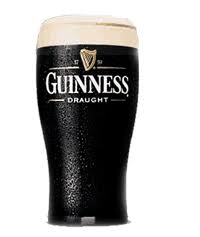
Pour the right beer into its proper glass and it just might make the difference between a so-so beer and one you love. Cheers!
-Mark
Saturday, December 24, 2005
Thursday, December 22, 2005
IPA- The well-travelled beer
Its pleasantly bitter finish and floral hop aroma has made India Pale Ale one of the most popular craft brew styles, and there's some interesting history behind the "IPA" moniker too.
During the days when India was the crown jewel of the British Empire, beer made in England's breweries was in demand in the colonial Indian cities. Since this was prior to the existence of the Suez Canal, the only practical sea route from the UK to India was all the way around the horn of Africa.
For the beer, this was a very long and very unrefrigerated journey. Most beers would go bad on the way. India Pale Ale, specially brewed for export to the subcontinent, had a far greater hop content than other beers. The hops acted as a preservative, protecting the beer from spoilage en route, and the colonists were treated to a very drinkable beer style that could be enjoyed with all the senses.
During the days when India was the crown jewel of the British Empire, beer made in England's breweries was in demand in the colonial Indian cities. Since this was prior to the existence of the Suez Canal, the only practical sea route from the UK to India was all the way around the horn of Africa.
For the beer, this was a very long and very unrefrigerated journey. Most beers would go bad on the way. India Pale Ale, specially brewed for export to the subcontinent, had a far greater hop content than other beers. The hops acted as a preservative, protecting the beer from spoilage en route, and the colonists were treated to a very drinkable beer style that could be enjoyed with all the senses.
Wednesday, December 21, 2005
A beer to impress your date
Next time you're out on a date, order up some belgian Lambic. These beers use natural yeast that settles in from out of the air. By themselves they are dry and sour, so the brewers flavor them with fruit: Cherries (Kriek), raspberries (Framboise) and Peach (Peche) are often used.
The result: an absolutely unique beer that will knock her socks off, leaving you fre to continue trying to knock off the rest of her clothes.
More info on Lambics
The result: an absolutely unique beer that will knock her socks off, leaving you fre to continue trying to knock off the rest of her clothes.
More info on Lambics
Tuesday, December 20, 2005
Beercrft newspaper column #1: Holiday Ales
CELEBRATING IS EASY WITH HOLIDAY ALES
By Mark Tichenor and Bruce Lish
Jingle. Jingle. The arrival of the Holidays also means the proliferation of holiday beers on store shelves and in pubs everywhere. Some beer lovers find these spiced seasonals gimmicky, while others swear by the big flavor as the perfect winter nightcap. Rest assured, however, that there are plenty of holiday-themed beers that please the palates of seasonal celebrants everywhere.
Some say that the holiday ale tradition dates back to medieval times, when beer was a monastic thing. Supposedly, monks would brew special beers using special ingredients to celebrate the birth of Jesus. We’ve yet to run into a myrrh ale, so it’s hard to vouch for this story. More likely, some guys with tie-dyes, ponytails, and goatees brewed them up as a marketing ploy. At least on this side of the Atlantic.
Whatever the motivation, holiday ales are popular around the globe, and have been so for a while. While some are available year-round, many holiday ales are only distributed from November to January.
By general convention, holiday beers are dark, sweet, substantial ales, usually spiced with clove, cinnamon, and/or nutmeg. Many emphasize the “warming” quality with alcohol contents ranging from 6-7% by volume, as opposed to the 4-5% range within which most American lagers fall. Be careful, the extra percentage points can make themselves known in a hurry.
It is in the judicious use of spices that the best seasonal beers begin to distance themselves from the also-rans. Spices are a potential buzz kill for beer. Unless
used VERY sparingly, and at the proper time during the brewing process, they will overwhelm the flavor profile of the beer leaving it tasting like a biter spent teabag.
the spice essence should be most prominent in the aroma and less so in the flavor (Christmas trees are a joy to behold, but not as much fun to drink).
With this in mind, we hopped over to Acme Pizzeria to sample and suggest several locally-available holiday ales.
First up: a classic, Anchor Holiday Ale. The Anchor Brewing Co. produces a different holiday beer annually. Each year, a unique spice blend is used, and the brewers add a different pine essence.
This year’s caramel brown beer has a clove-tinged bouquet with a noticeable pine aroma. spices, are most pronounced on the front of the tongue, and the beer finishes with a balanced malt/hop taste. Anchor is a bit heavy on the “Holiday” side of things, so it might be a bit much for light beer drinkers. For those who like their Christmas spirit in liquid form, though, a couple of pints of Anchor Holiday beat eggnog hands down.
Some aficionados keep a few bottles from each different year on hand and hold "vertical tastings," opening them all and distributing a few ounces of each beer to each participant to taste, contrast, and discuss the beer from each year
St. Gootz Christmas Ale, from Vermont’s Magic Hat brewery, is more subtle. It’s like a German Dunkel Weizen with a mild mix of undefined spices, which linger briefly on the palate just inside the threshold of perception. Essences of clove and rasin are evident.
The beer is a rich maple color, with an attractive tan head. It balances toward sweet malt instead of hops, and its surprisingly light body makes St. Gootz a good choice for people who don’t like hevier beer. It also goes surprisingly well with pizza.
Sierra Nevada Celebration Ale is an easily found bottled alternative that looks great in any refrigerator. It wins scads of medals in beer competitions and is generally regarded as the queen of holiday beers. Celebration leans toward the dry side. Chinook and cascade hops lend a Pacific Northwest microbrew taste with a spicy bite.
Finally, there’s the local player. CB’s Christmas Ale, by Custom Brewcrafters, reminds us that there’s a lot more to the Honeoye Falls-based brewery than brown ales and IPA. This beer is skillfully spiced, with a cinnamon essence. More important, the spice is layered upon a rock solid, well-balanced beer that doesn’t attack your mouth with bitter hops, nor is it cloyingly sweet from too much malt.
One of the good things about being in Rochester is we get to enjoy these beers in their proper context; it would be more difficult to savor brews this robust in the 80 degree heat of Arizona. Thanks to the brewers and sellers of these fine ales for turning the bitter cold into an asset. Cheers and Happy Holidays!
Bruce is a certified beer judge and former commercial brewer. Mark owns a laptop and likes beer. Send your questions, suggestions, or comments to beercraft@rochester.rr.com
By Mark Tichenor and Bruce Lish
Jingle. Jingle. The arrival of the Holidays also means the proliferation of holiday beers on store shelves and in pubs everywhere. Some beer lovers find these spiced seasonals gimmicky, while others swear by the big flavor as the perfect winter nightcap. Rest assured, however, that there are plenty of holiday-themed beers that please the palates of seasonal celebrants everywhere.
Some say that the holiday ale tradition dates back to medieval times, when beer was a monastic thing. Supposedly, monks would brew special beers using special ingredients to celebrate the birth of Jesus. We’ve yet to run into a myrrh ale, so it’s hard to vouch for this story. More likely, some guys with tie-dyes, ponytails, and goatees brewed them up as a marketing ploy. At least on this side of the Atlantic.
Whatever the motivation, holiday ales are popular around the globe, and have been so for a while. While some are available year-round, many holiday ales are only distributed from November to January.
By general convention, holiday beers are dark, sweet, substantial ales, usually spiced with clove, cinnamon, and/or nutmeg. Many emphasize the “warming” quality with alcohol contents ranging from 6-7% by volume, as opposed to the 4-5% range within which most American lagers fall. Be careful, the extra percentage points can make themselves known in a hurry.
It is in the judicious use of spices that the best seasonal beers begin to distance themselves from the also-rans. Spices are a potential buzz kill for beer. Unless
used VERY sparingly, and at the proper time during the brewing process, they will overwhelm the flavor profile of the beer leaving it tasting like a biter spent teabag.
the spice essence should be most prominent in the aroma and less so in the flavor (Christmas trees are a joy to behold, but not as much fun to drink).
With this in mind, we hopped over to Acme Pizzeria to sample and suggest several locally-available holiday ales.
First up: a classic, Anchor Holiday Ale. The Anchor Brewing Co. produces a different holiday beer annually. Each year, a unique spice blend is used, and the brewers add a different pine essence.
This year’s caramel brown beer has a clove-tinged bouquet with a noticeable pine aroma. spices, are most pronounced on the front of the tongue, and the beer finishes with a balanced malt/hop taste. Anchor is a bit heavy on the “Holiday” side of things, so it might be a bit much for light beer drinkers. For those who like their Christmas spirit in liquid form, though, a couple of pints of Anchor Holiday beat eggnog hands down.
Some aficionados keep a few bottles from each different year on hand and hold "vertical tastings," opening them all and distributing a few ounces of each beer to each participant to taste, contrast, and discuss the beer from each year
St. Gootz Christmas Ale, from Vermont’s Magic Hat brewery, is more subtle. It’s like a German Dunkel Weizen with a mild mix of undefined spices, which linger briefly on the palate just inside the threshold of perception. Essences of clove and rasin are evident.
The beer is a rich maple color, with an attractive tan head. It balances toward sweet malt instead of hops, and its surprisingly light body makes St. Gootz a good choice for people who don’t like hevier beer. It also goes surprisingly well with pizza.
Sierra Nevada Celebration Ale is an easily found bottled alternative that looks great in any refrigerator. It wins scads of medals in beer competitions and is generally regarded as the queen of holiday beers. Celebration leans toward the dry side. Chinook and cascade hops lend a Pacific Northwest microbrew taste with a spicy bite.
Finally, there’s the local player. CB’s Christmas Ale, by Custom Brewcrafters, reminds us that there’s a lot more to the Honeoye Falls-based brewery than brown ales and IPA. This beer is skillfully spiced, with a cinnamon essence. More important, the spice is layered upon a rock solid, well-balanced beer that doesn’t attack your mouth with bitter hops, nor is it cloyingly sweet from too much malt.
One of the good things about being in Rochester is we get to enjoy these beers in their proper context; it would be more difficult to savor brews this robust in the 80 degree heat of Arizona. Thanks to the brewers and sellers of these fine ales for turning the bitter cold into an asset. Cheers and Happy Holidays!
Bruce is a certified beer judge and former commercial brewer. Mark owns a laptop and likes beer. Send your questions, suggestions, or comments to beercraft@rochester.rr.com
Monday, December 19, 2005
American Brown Ale
I ordered a Sierra Nevada Brown Ale last night. It was fantastic.
Usually, I find brown ales too bland for my taste. Even Bass and Newcastle Brown have never really impressed me. But the Sierra Nevada had the hop kick that the British browns lack. Bruce coined the term "American Brown Ale." I ordered another.
Hey, it's all in the name of research. Cheers!
Usually, I find brown ales too bland for my taste. Even Bass and Newcastle Brown have never really impressed me. But the Sierra Nevada had the hop kick that the British browns lack. Bruce coined the term "American Brown Ale." I ordered another.
Hey, it's all in the name of research. Cheers!
Saturday, December 17, 2005
Beer for the ball game
I admit that I'm sort of a beer snob, but even I have limits, and one of those limits is the ball game. For some reason, excellent beer does not go well with sports.
If you're at a professional sporting event that isn't polo, you have no business sipping a Sam Smith's oatmeal stout. To me, it's totally wrong for the atmosphere, and if one drinks beer for pleasure, environment and mood cannot be ignored as factors.
When I'm sitting behind the first base line, give me a crappy American mass-market lager, preferably a Genesee or Iron City, any day. Play Ball!
-Mark
If you're at a professional sporting event that isn't polo, you have no business sipping a Sam Smith's oatmeal stout. To me, it's totally wrong for the atmosphere, and if one drinks beer for pleasure, environment and mood cannot be ignored as factors.
When I'm sitting behind the first base line, give me a crappy American mass-market lager, preferably a Genesee or Iron City, any day. Play Ball!
-Mark
Friday, December 16, 2005
Belgian beers
It's almost ludicrous to describe a beer as a "Belgian," because that little country pumps out over two hundred styles of beer. There are mass market lagers (Stella Artois, Jupiler), the famed trappist ales (Orval, Duvel), lambics (Lindemann's Kriek, Gueze, et. al), red beers, etc.
Belgian beers are idiosyncratic, often sweet and somewhat musty in flavor. Because the brewers of Belgium use very iconoclastic strains of yeast (in some cases, just wild yeast from the air), it is very difficult to reproduce the flavor of ANY Belgian beers in North America, except maybe Stella.
Breweries like Ommegang in Cooperstown, NY and Montreal's Unibroue come reasonably close, and their Belgians are well crfted and enjoyable. Blue Moon is a piss-poor mockery of Hoegaarden Belgian White ale. If you like it, enjoy it by all means, but it's about as similar to a Belgian white as I am to the Queen of Serbia. -Mark
Belgian beers are idiosyncratic, often sweet and somewhat musty in flavor. Because the brewers of Belgium use very iconoclastic strains of yeast (in some cases, just wild yeast from the air), it is very difficult to reproduce the flavor of ANY Belgian beers in North America, except maybe Stella.
Breweries like Ommegang in Cooperstown, NY and Montreal's Unibroue come reasonably close, and their Belgians are well crfted and enjoyable. Blue Moon is a piss-poor mockery of Hoegaarden Belgian White ale. If you like it, enjoy it by all means, but it's about as similar to a Belgian white as I am to the Queen of Serbia. -Mark
Thursday, December 15, 2005
A word of caution about megapubs
Megapubs- those places with 80+ beers on draft, can be wonderful places, full of interesting beers and general conviviality. But sometimes, as 90% of the patrons order the special or Budweiser, the more obscure beers sit on draft for weeks between pours.
Obviously, getting a glass of sour beer that's been sitting in the line is not going to leave you with an accurate impression of the brew. When ordering a craft beer, ask for a sample first. If it tastes funny, ask for a second one. You'll be more assured of a fresh pour after some liquid has flowed through the lines, and any bar that takes its beer seriously will understand this.
-Mark
Obviously, getting a glass of sour beer that's been sitting in the line is not going to leave you with an accurate impression of the brew. When ordering a craft beer, ask for a sample first. If it tastes funny, ask for a second one. You'll be more assured of a fresh pour after some liquid has flowed through the lines, and any bar that takes its beer seriously will understand this.
-Mark
Wednesday, December 14, 2005
The first Beercraft newspaper column next week!
Well, the first Beercraft newspaper column is written and delivered. I'll publish it here as well. Expect new columns on a biweekly basis.
Right now, it's running in Freetime Magazine, THE bar and nightlife bible of Rochester, NY! -Mark
Right now, it's running in Freetime Magazine, THE bar and nightlife bible of Rochester, NY! -Mark
Tuesday, December 13, 2005
Beer color and strength- no correlation
A common fallacy is that dark beer is stronger than lighter beer. This is often true, but color is not a result of high alcohol content. It's determined by the type of malt a brewer chooses to use.
Case in point: Guinness Stout, one of the darkest beers out there, is only 4% alcohol by volume, putting it roughly on par with watery old Coors Light(4.2%) for strength. In contrast, Pyramid IPA, of medium hue, packs a robust 6.7% abv wallop.
In order to attain the classic dry taste and opaque creaminess of Guinness, the brewery uses a dark roasted malt (I forget which one. Bruce could tell me). The grain is already a deep brown, almost black, when it goes into the kettle.
Alcohol content is regulated through the yeast. As yeast eats the sugars in the malt (fermentation), it converts them to alcohol. A brewer can stop the fermentation when the appropriate alcohol content is reached.
TO balance malt sweetness, hops are added, which give many beers that tantalizingly bitter aftertaste and floral aroma.
The flavor and color of beer is a complex juggling act, and paying attention to these things, instead of just the alcohol, infinitely heightens the enjoyment. Maybe I'll have a Guinness with dinner tonight.
-Mark
Case in point: Guinness Stout, one of the darkest beers out there, is only 4% alcohol by volume, putting it roughly on par with watery old Coors Light(4.2%) for strength. In contrast, Pyramid IPA, of medium hue, packs a robust 6.7% abv wallop.
In order to attain the classic dry taste and opaque creaminess of Guinness, the brewery uses a dark roasted malt (I forget which one. Bruce could tell me). The grain is already a deep brown, almost black, when it goes into the kettle.
Alcohol content is regulated through the yeast. As yeast eats the sugars in the malt (fermentation), it converts them to alcohol. A brewer can stop the fermentation when the appropriate alcohol content is reached.
TO balance malt sweetness, hops are added, which give many beers that tantalizingly bitter aftertaste and floral aroma.
The flavor and color of beer is a complex juggling act, and paying attention to these things, instead of just the alcohol, infinitely heightens the enjoyment. Maybe I'll have a Guinness with dinner tonight.
-Mark
Monday, December 12, 2005
Perfect beers for the Holidays
With Christmas looming ever closer, you might want to take a break from the hassle of shopping and settle in with a glass of winter ale. The perfect beers for the season are dark, strong, and warming. Here are some recommendations for a can't-miss nightcap:
And remember, just because there's no Christmas tree on the label doesn't mean it wont be wonderful on a freezing winter day! -Mark
- Sierra Nevada Celebration Ale
- Wagner Sled Dog Doppelbock
- Spaten Optimator
- Southern Tier Oat
- Harpoon Winter Warmer
- Delirium Tremens
And remember, just because there's no Christmas tree on the label doesn't mean it wont be wonderful on a freezing winter day! -Mark
Sunday, December 11, 2005
Beer of the day: Jever Pilsener.
Cheesy German flash video aside, Jever epitomizes the teutonic lager. A fresh, new-mown hay nose and balanced flavor, with just enough of a bitter aftertaste to make you want another sip, makes Jever a great choice for a night out. Careful, they pile up fast.
Damn, the video and flash on that site is cheesy, though.
Cheesy German flash video aside, Jever epitomizes the teutonic lager. A fresh, new-mown hay nose and balanced flavor, with just enough of a bitter aftertaste to make you want another sip, makes Jever a great choice for a night out. Careful, they pile up fast.
Damn, the video and flash on that site is cheesy, though.
Saturday, December 10, 2005
The good, the bad, and more of the bad
Reflecting upon last night, it's probably not a good idea to serve Spaten Optimator in pints.
Optimator is a Doppelbock, a very delicious, very malty, very big beer. If you're unfamiliar with the style, it'll knock you on your ass. Anyway, I onloy had two pints.
The beer at the party I subsequently attended, however, was Yuengling Lager. There's been a bit of a promtional push for this beer in the northeast, and it's easy to find and cheap. My friends swear by Yuengling over Labatt Blue (the other tolerable cheap lager around here), but I have yet to be convinced. For lagers from Pennsylvania, gimme an Iron City any day. It's refreshing, and I'm a sucker for the aluminum bottles.
Reflecting upon last night, it's probably not a good idea to serve Spaten Optimator in pints.
Optimator is a Doppelbock, a very delicious, very malty, very big beer. If you're unfamiliar with the style, it'll knock you on your ass. Anyway, I onloy had two pints.
The beer at the party I subsequently attended, however, was Yuengling Lager. There's been a bit of a promtional push for this beer in the northeast, and it's easy to find and cheap. My friends swear by Yuengling over Labatt Blue (the other tolerable cheap lager around here), but I have yet to be convinced. For lagers from Pennsylvania, gimme an Iron City any day. It's refreshing, and I'm a sucker for the aluminum bottles.
Friday, December 09, 2005
The Beercraft Blog gets a new lease on life.
Bruce (my commercial brewer partner) and myself will now be writing a bimonthly column about beer in Rochester, New York's Freetime Magazine. I'll reprint the columns here.
Also, the website itself will be live again soon. I've been taking a class on web programming, and the new site will feature a searchable database of the beers we've reviewed.
In the meantime, I've learned a few truths about specialty holiday ales, one of which is that they tend to taste like a fermented Christmas tree. Look for more discusisions of Holiday beers in a week or so, when I publish the first Beercraft column. -Mark
Bruce (my commercial brewer partner) and myself will now be writing a bimonthly column about beer in Rochester, New York's Freetime Magazine. I'll reprint the columns here.
Also, the website itself will be live again soon. I've been taking a class on web programming, and the new site will feature a searchable database of the beers we've reviewed.
In the meantime, I've learned a few truths about specialty holiday ales, one of which is that they tend to taste like a fermented Christmas tree. Look for more discusisions of Holiday beers in a week or so, when I publish the first Beercraft column. -Mark
Wednesday, November 23, 2005
Okay, lools like the Beercraft website will be live again soon, and now, it's dynamic!
Yep. I learned how to create a database in Access and ASP, and I'm in the process of adjusting the site's look and layout. We'll be reviewing craft beer again and now the info will be searchable. Bruce, Bob and I also recorded the first beercraft podcast, which we're curently editing down into something listenable.
Anyway, beer. Last night it was Magic Hat Jinx scotch ale. Good enough for our table to go through four pitchers. Order it if you see it. -Mark
Yep. I learned how to create a database in Access and ASP, and I'm in the process of adjusting the site's look and layout. We'll be reviewing craft beer again and now the info will be searchable. Bruce, Bob and I also recorded the first beercraft podcast, which we're curently editing down into something listenable.
Anyway, beer. Last night it was Magic Hat Jinx scotch ale. Good enough for our table to go through four pitchers. Order it if you see it. -Mark
Friday, April 22, 2005
Stammtisch a total bust... or was it?
No Germans showed up for my evening of German conversation, but I did discover the joys of Aventinus!
So, not only did I avoid a total loss, I actually won! At $7 a bottle, so did the bar.
No Germans showed up for my evening of German conversation, but I did discover the joys of Aventinus!
So, not only did I avoid a total loss, I actually won! At $7 a bottle, so did the bar.
Thursday, April 21, 2005
STAMMTISCH!
Today is the start of a new tradition- Stammtisch. I've gotten some Germans who are living and working in Rochester to agree to come out on a weekly basis for beer and German conversation. What can I say? I need the practice.
So German beer will be in order, and I'm not feeling like hefeweizen. The clear choice: one of Germany's most bitter Pilsners,Jever! Keine Kompromisse.
Today is the start of a new tradition- Stammtisch. I've gotten some Germans who are living and working in Rochester to agree to come out on a weekly basis for beer and German conversation. What can I say? I need the practice.
So German beer will be in order, and I'm not feeling like hefeweizen. The clear choice: one of Germany's most bitter Pilsners,Jever! Keine Kompromisse.
Wednesday, April 20, 2005
Beer at the baseball game...
I'm really not a fan of the light lagers pissed out by major American breweries. They taste of corn and fizzy water. But i'll make an exception at a baseball game.
I was in Buffalo yesterday, watching baseball in Dunn Tire Park. I had a Genesee and a Budweiser. They both went great with the classic ballpark setting and the shitty hot dogs. -Mark

I'm really not a fan of the light lagers pissed out by major American breweries. They taste of corn and fizzy water. But i'll make an exception at a baseball game.
I was in Buffalo yesterday, watching baseball in Dunn Tire Park. I had a Genesee and a Budweiser. They both went great with the classic ballpark setting and the shitty hot dogs. -Mark
Sunday, April 03, 2005
Now that Bob has returned to the US after a three-year stint in Munich, Beercraft's two beer reviewers are busily dragging out the homebrewing equipment once again. In doing so, Bob found a for year old bottle of LaChouffe Belgian Abbey Ale, stored since before he left.
We cracked that sucker, and it was amazing. Age had mellowed the ale ever so slightly. I'm gonna get some and try that trick in my basement. -Mark
We cracked that sucker, and it was amazing. Age had mellowed the ale ever so slightly. I'm gonna get some and try that trick in my basement. -Mark
Subscribe to:
Posts (Atom)